Setting the Tone

Stephanie Kratz • September 22, 2025

How Color Influences mood, perception, and emotional connection

Color is more than just a preference, it's a powerful tool. The right hue can transform a space, influencing your mood and the way you and your guests experience your home every single day. At Stephanie Kratz Interiors, we go beyond simply picking a beautiful palette. We delve into the psychology of color to craft a tailored ambience, ensuring your home doesn't just look stunning, but makes you feel exactly how you want to feel.

Color has a profound impact on our emotions and our perception of a space. Think about a serene deep blue in a home library, which can evoke feelings of tranquility and focus, perfect for moments of quiet reflection. Or a warm, earthy terracotta in a sunlit living room, fostering a sense of warmth and connection that invites conversation and joy for your guests. This intentional use of color is what elevates a home from a beautifully decorated house to a sanctuary meticulously designed for your well-being.

The Impact that Color can Create:

• Warm Tones: Reds, Oranges, Yellows

These colors are high-energy and can evoke feelings of passion, warmth, and happiness. They are often used in social spaces like living rooms and dining areas to create a stimulating, inviting atmosphere.


• Cool Tones: Blues, Greens, Purples

These hues are known for their calming and soothing effects. They can make a space feel more expansive and are perfect for bedrooms, bathrooms, and offices where tranquility and concentration are key.


• Neutral Tones: Whites, Grays, Browns

While often seen as a backdrop, the subtle undertones of neutrals—warm or cool—are crucial. They provide a balanced foundation for a design, allowing other elements to shine while maintaining a sense of elegance and timelessness.
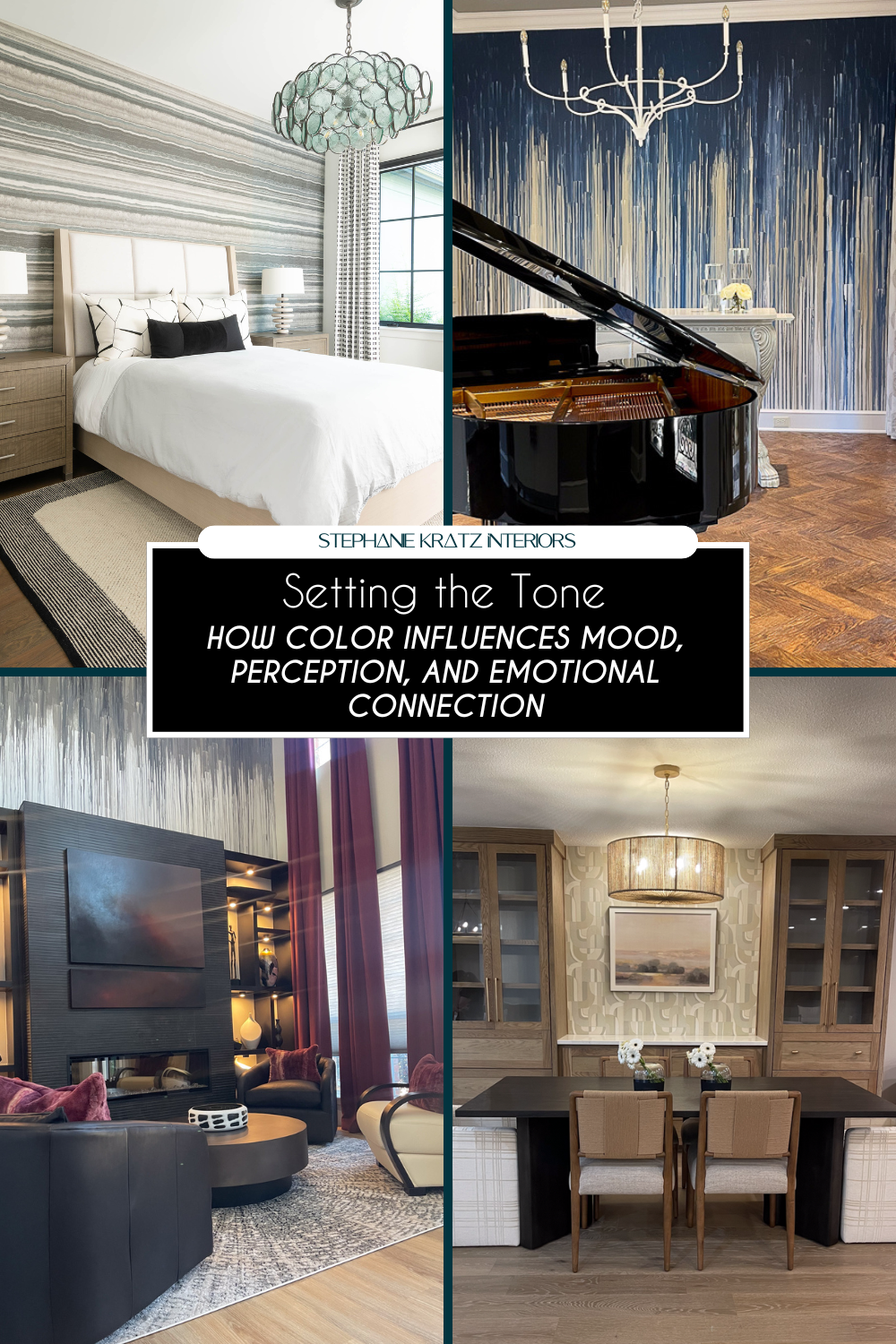

Design/image credit to @stephaniekratzinteriors

The most successful designs use color to create harmony and flow, using the right hues to complement the function of each room and the personality of the homeowner. We consider how light interacts with the colors throughout the day and how each room feels as you move from one to the next. The result is a home that is as emotionally resonant as it is visually spectacular.

Ready to design a home that is a perfect reflection of your inner world? Contact Stephanie Kratz Interiors today for a free consultation!
Book A Consultation!

Share This Post

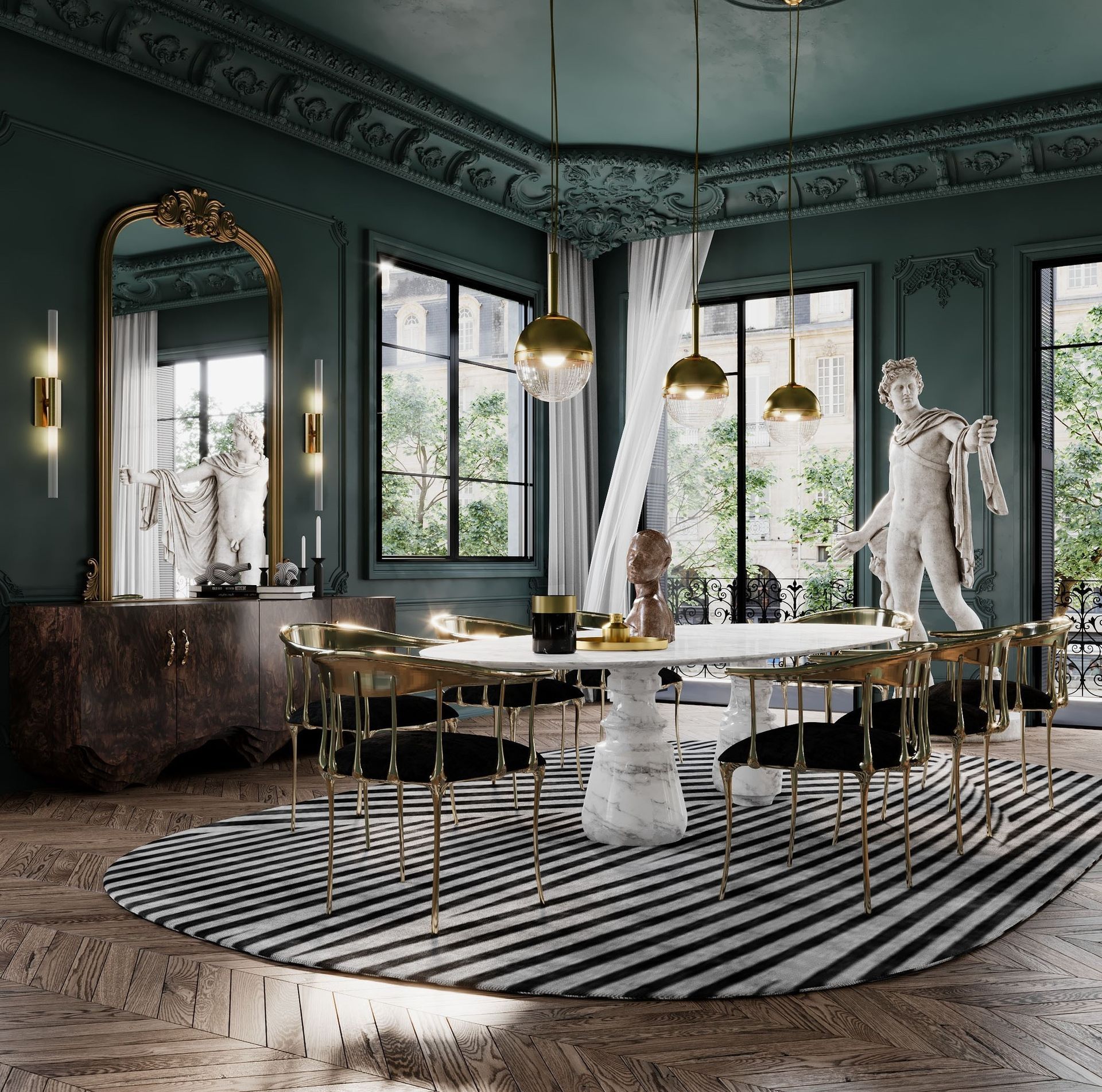
Elegant dark-green dining room with striped rug, gold chairs, marble table, and white statues by large windows
By Stephanie Kratz • October 5, 2026
Most DFW homeowners don't know the difference between a decorator and a designer until they've hired the wrong one. Stephanie Kratz explains it clearly.
By Stephanie Kratz • July 22, 2026
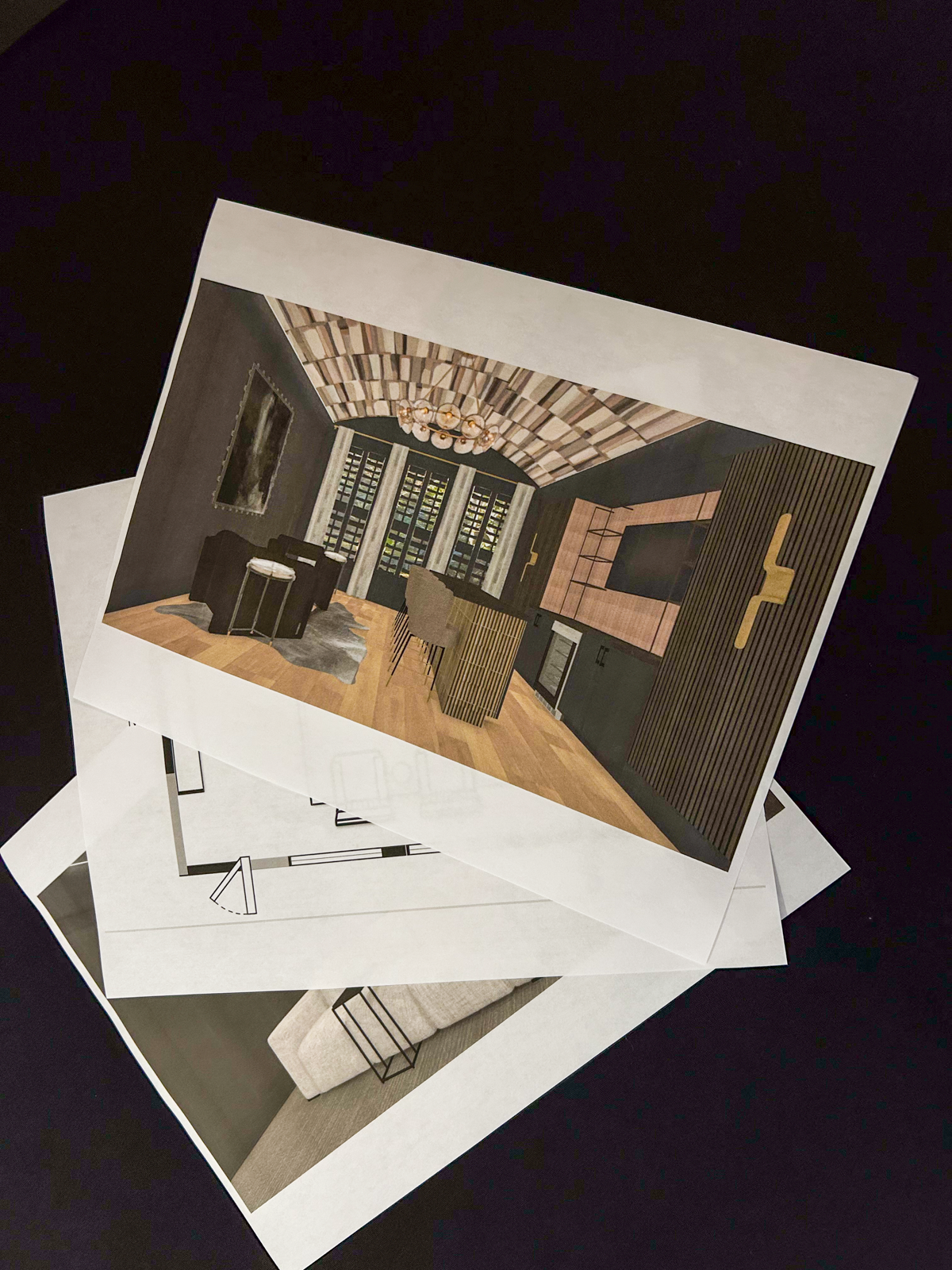
Designing Luxury In-Home Speakeasies, Wine Rooms, and Private Lounges
By Stephanie Kratz • June 24, 2026
Estimated Read Time: 3-4 minutes Key Takeaways: Substitute structured summer florals for asymmetrical greens like olive branches or leafy stems to effortlessly soften hard interior lines. Transition seamlessly between commanding architectural branch arrangements in great rooms and deliberate, petite bud vases on bedroom nightstands. Avoid cluttering every surface; instead, utilize negative space, mixed stem heights, and varied vessel textures to let your arrangements breathe. The Power of Organic Texture in Summer Design There’s something about the summer months that calls for simplicity the kind that feels lived-in, light, and intentionally curated. It’s the season of open windows and brighter days, and your interiors should reflect that same effortless transition. One of the most impactful ways to refresh your home for the warmer months is through the strategic use of greenery. Whether you are working with fresh cut architectural branches or beautifully realistic faux stems, the result is always the same: an understated sense of vitality and movement that instantly softens the clean lines of a room. Bringing greenery indoors is far more than a passing decor trend; it is a foundational layer in creating a balanced, restorative sanctuary. In the summer, when traditional floral arrangements can feel overly formal or high maintenance, lush, leafy greens offer a timeless and versatile alternative. Think of olive branches that arc gracefully from a textured ceramic vessel on a coffee table, or trailing stems that add a lived in touch to custom kitchen shelving. These moments don't require professional floristry skills just a thoughtful eye for scale and placement. Designing with Quiet Impact The beauty of indoor plant styling lies in its quiet, calming presence. In a formal living room or great room, a tall stone or glass vessel filled with structural, seasonal greenery becomes a sophisticated focal point, its organic shape echoing the natural landscape just outside the window. In the kitchen, fresh herbs or simple leafy stems placed in clean, minimalist crocks add both function and texture, grounding the space with earthy tones. Even a single, well placed stem positioned on a vanity beside a sleek countertop or tucked onto a styled book stack brings a sense of intention and life to everyday routines. Scale, Placement, and Longevity If you’re wondering how to introduce greenery into more intimate spaces, the secret is in managing scale. The Bedroom: A petite bud vase on a nightstand brings a soft, calming energy to your bedside layout. The Bathroom: A subtle trailing stem balances harder surfaces like marble, glass, and matte black hardware, softening the edges of a shower shelf or vanity. Built Ins: A cluster of high quality faux potted stems layered into custom cabinetry creates rhythm and warmth without overwhelming the eye. When it comes to low light corners, high humidity zones, or maintaining a low maintenance home, premium faux greenery offers a near perfect solution. It allows you to achieve the look of organic modernism without the constant upkeep. The Art of Restraint The key to a successful summer greenery scheme is restraint. There is no need to crowd every available surface; instead, focus on contrast, texture, and the power of intentional white space. Pair smooth, clean ceramics with wild, asymmetric silhouettes. Let the negative space around the arrangement play a role in the design. Choose greenery in varying heights, shapes, and tones to mimic what is found in nature avoiding anything that feels too manicured, matchy, or forced. As you transition your home for the season, look for the places that feel just a touch too stark or a corner that could use a bit of visual depth. Greenery doesn't have to be loud to completely transform a room. By focusing on the quietest details, you can create an environment that feels deeply rooted, relaxed, and effortlessly connected to the natural world.
More Posts