The Hidden Ingredient in Luxury Homes: What Builders Aren't Telling You

Stephanie Kratz • May 10, 2024

Building a luxury home is a significant endeavor and can be challenging, but it's also one of the most exciting projects that homeowners take on. With so many different types of home builders available, choosing the right one may become overwhelming and no one wants to end up with a subpar job that doesn't meet their expectations or needs. Additionally, coordinating the design and decoration of the interiors can be tricky, and that's where an interior designer comes in. In this blog post, we'll discuss the various types of home builders and how an interior designer can be beneficial when building a luxury home.


Production Home Builders

Production home builders create homes based on a limited number of plans that are typically chosen in advance within certain planned communities. They use a structured construction process, often involving pre-manufactured materials, to produce homes quickly and at a lower cost per square foot. This process limits the ability of homeowners to make any major alterations to the design and flow of the home. Production home builders are best if you are looking to stay within budget and want a low-maintenance home.


Pros:

Lower cost per square foot for the construction of new homes

Quick build time

The option to choose from pre-made design plans

The land and home are sold as a package deal


Cons:

Limited customization options often don't cater to individual requirements

Lower quality materials used in construction

Building lots may be limited to specific developments

Little interaction with the homebuilder during the process

Semi-Custom Home Builders

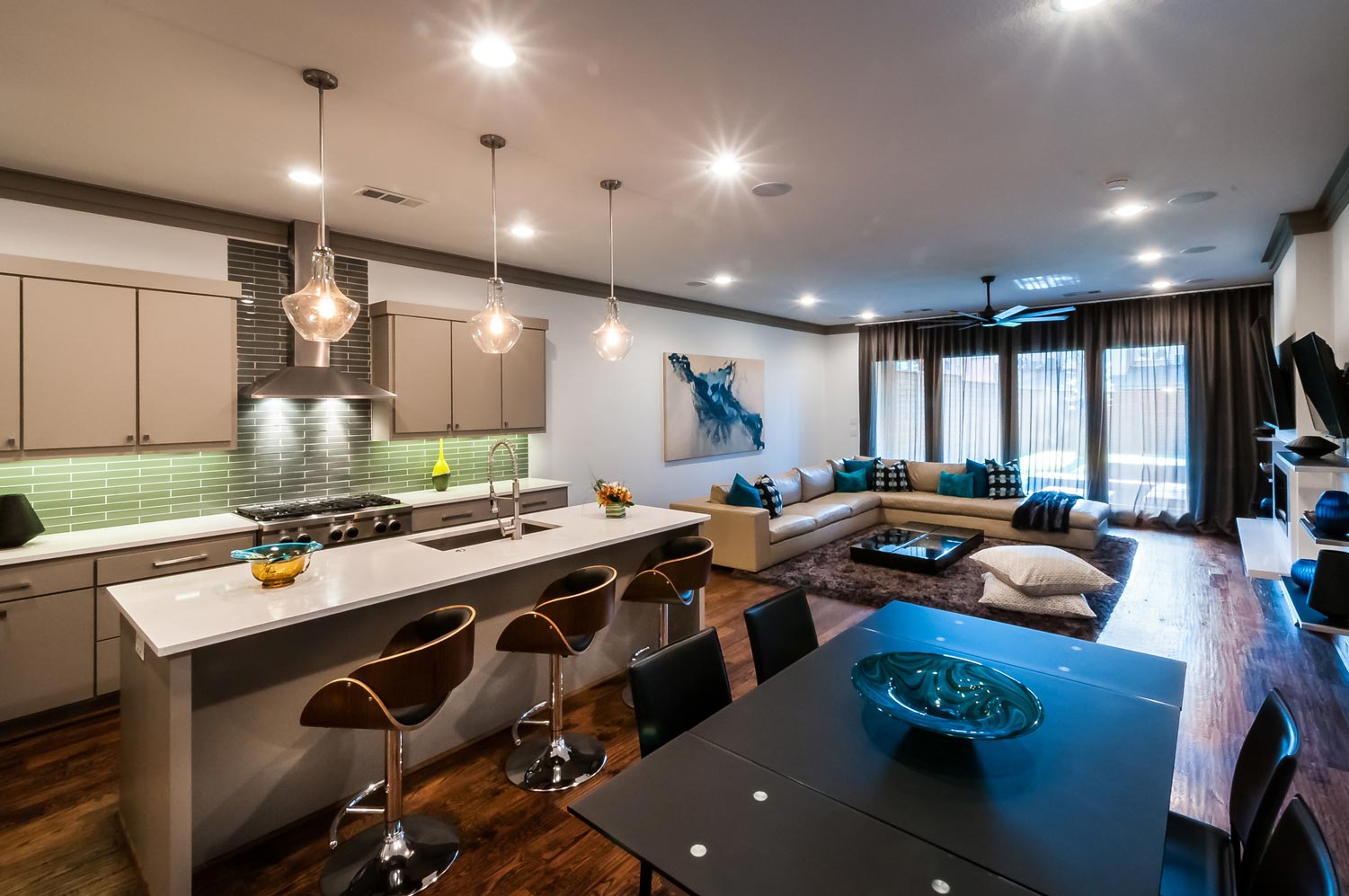
Semi-custom home builders typically offer a range of pre-designed floor plans that allow the home buyer to customize specific design features. They utilize a combination of factory-made and custom components to create unique homes based on pre-existing plans. These types of home builders are less expensive than custom home builders, while allowing for more flexibility than production home builders. Most semi-custom home builders provide a list of customizable options to choose from, allowing for a unique home tailored to your preferences.


Pros:

Allows for customization within a pre-built plan

Cheaper than hiring a custom home builder

Shorter build time because of pre-designed plans


Cons:

The level of customization is limited during the build phase

The quality of materials offered may not match the standards set by custom home builders

They may not offer the complete flexibility in design and materials as a custom home builder

Custom Home Builders

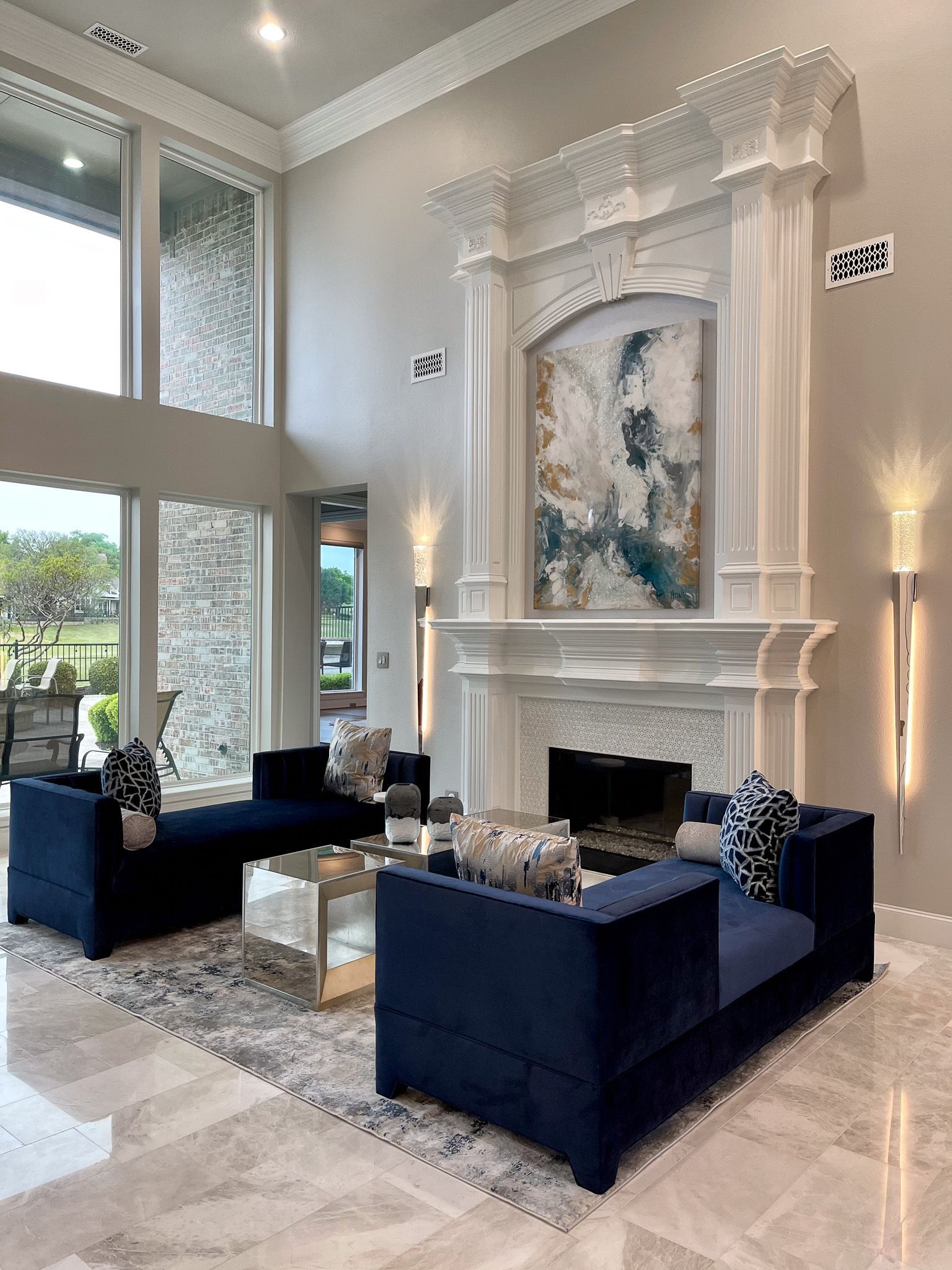
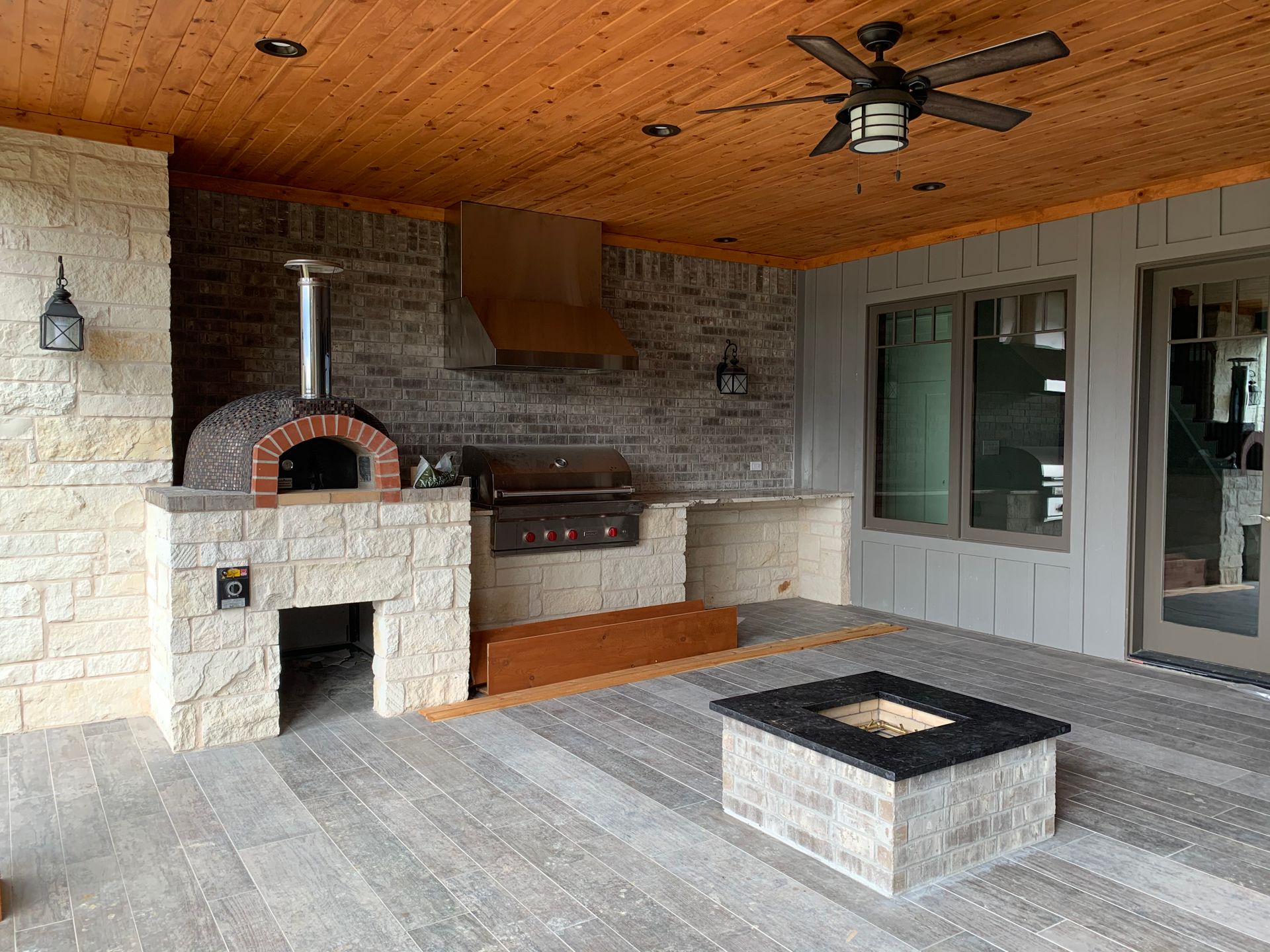
As the name suggests, custom home builders give homeowners the ability to develop a home tailored to their specific preferences creating unique homes tailored to the client's every need and desire. From design to arts and crafts, homeowners have a say in every facet of the house, making the building process more personable. However, these projects can take longer to complete, and the cost of hiring a custom home builder is relatively higher than that of production home builders.


Custom home builders use high-quality materials and place great emphasis on exceptional craftsmanship and quality. They work with interior designers or clients directly and oversee every detail of the project.


Pros:

Fully customizable design that meets individual needs and preferences

High-quality materials and attention to detail

Experienced professionals who can provide guidance on design and materials

Flexibility to design around specific needs and lifestyles

Allows for more decision-making on the part of the client and their interior designer


Cons:

Compared to other types of builders, it can be costlier

Longer time frame due to the level of detail and customization

How an Interior Designer Can Help

Interior designers can help with the design process by providing professional assistance to the homeowners. Turn-key and full-service interior designers like Stephanie Kratz Interiors help from the blue prints to the move in day. They assist with color palettes, fixtures, and furniture that best match the homeowner's taste. Not only does Stephanie Kratz Interiors help bring their client's vision to life, they ensure that the smallest details are paid attention to from having a seamless backsplash in the kitchen to ensuring the bedside light switches are perfectly hidden behind the night stands. Additionally, interior designers are not only trained in aesthetics but are also mindful of flow and functionality and making the most of every space. Having an interior designer involved from the early blueprint phase is crucial. This ensures that your custom home investment transforms into your dream home, avoiding any "we should have done this differently" regrets.


Benefits of Hiring an Expert

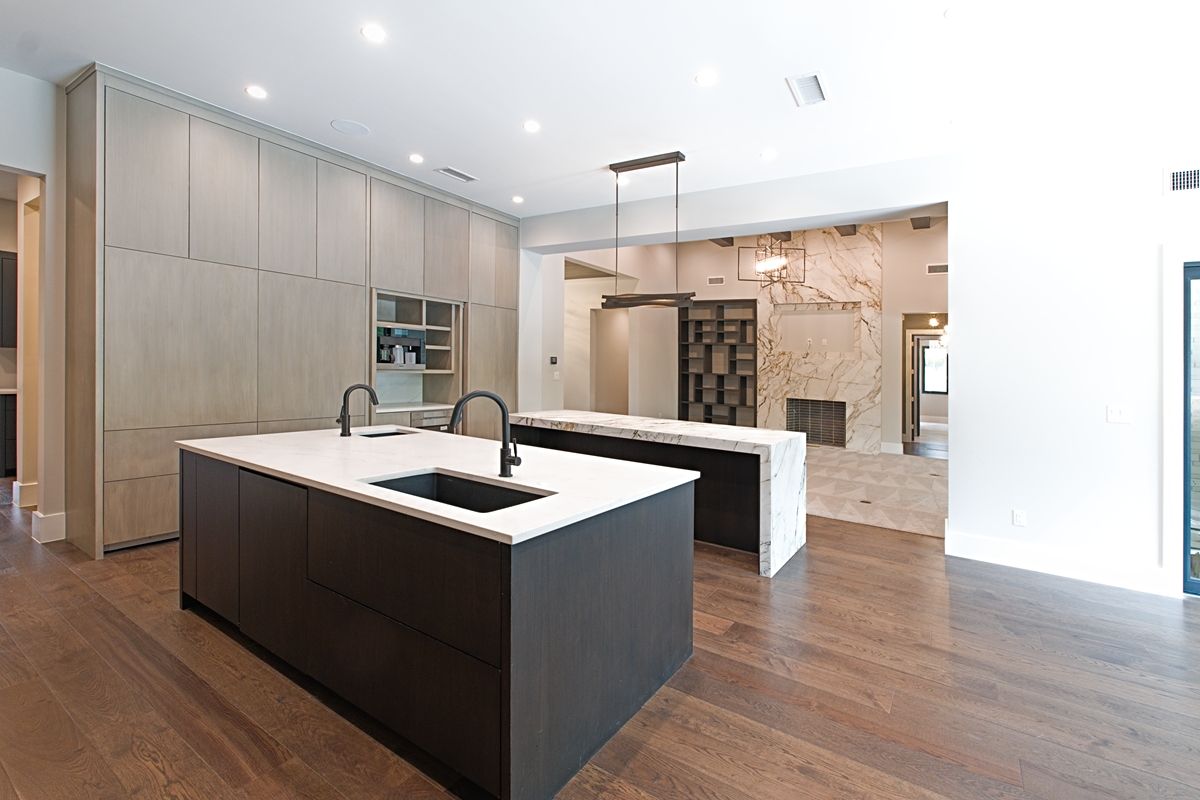
The involvement of a professional interior designer can be immensely beneficial to building a luxury home. They can coordinate design themes through all rooms to create harmonious spaces. Interior designers know about materials, fixtures, and color schemes to complement the homeowner's style and functional preferences. They take the client's considerations and turn them into actionable inputs which the builder later incorporates into the house design, resulting in an aesthetically appealing and functional luxury home.


Constructing a bespoke luxury home is a rare investment that few get to cherish. Choosing the right style of house-building professional is a vital decision that can have a significant impact on your project's success. There are multiple types of home builders available, ranging from production home builders to custom home builders. However, finding the right type of home builder is never enough, especially when building a luxury home. An interior designer provides professional assistance in coordinating the interior design of the home and ensuring that the homeowner's vision becomes a reality. Before building a luxury home, be sure to weigh the benefits of each type of home builder and hire an interior designer to ensure that the final product surpasses your expectations.


Ready to get started with your custom home new build or full home renovation? Contact Stephanie Kratz Interiors today to book your complimentary discovery call.


Share This Post
By Stephanie Kratz April 29, 2026
Estimated Read Time: 3-4 minutes Key Takeaways: Never rely on a single source. Combine Ambient, Task, and Accent lighting to create a "Tactile Layering" of light. The most sophisticated lighting feels natural. Prioritize concealed LEDs and warm, low-glare fixtures to maintain the Visual Thread. Invest in smart dimming. Being able to shift from a bright "Prep Mode" to a "Social Sanctuary" glow is essential Sensory Engineering. Why Lighting is Your Most Critical Design Asset We may spend months agonizing over the perfect quartzite for our kitchen island, but there is one element that, should it be poorly executed, will negate every other design decision in a room: Lighting. At Stephanie Kratz Interiors, we do not view lighting as just another function in our design, but rather as the ultimate form of "Atmospheric Engineering." We believe that our lighting plan should dictate how we feel, how we interact, and how we experience our space. A room without a well-defined lighting narrative is uninteresting, flat, and uncompleted. We aim to use our lighting to not only illuminate our spaces, but to give us the "High-Touch" definition and warmth that makes our homes our permanent retreat. 3 Pillars of Atmospheric Engineering in the Modern Sanctuary The Architecture of Ambient Wash Ambient lighting is the foundation, the baseline, or the 'Wash' of light. However, 'foundation' does not equal 'mundane.' We transcend the harsh glare of a lighting source, achieving a seamless, non-invasive lighting effect. This is Design Permanence, and we apply it to lighting. We achieve Architectural Cohesion with the use of non invasive lighting sources, such as hidden cove lighting, architectural pot lights, or millwork LED lighting. In 2026, the answer will be Design Integrity, and this will be achieved by concealing the lighting source. As the source of light is hidden, the focus will be on the 'Material Integrity' of the stone and the 'Tactile Layers' of the furniture, and the entire room will breathe with natural light. Engineering Task and Performance Zones A functional sanctuary demands precision. Task lighting is considered an ergonomic essential in a high performance area like the kitchen, home office, or a vanity area. It is the perfect union of Sensory Engineering and professional functionality. By utilizing a discreet under cabinet LED strip or a precise pendant light with an "Invisible Beam," we are able to deliver Meticulous Execution in your meal prep area or reading nook. The idea is to eliminate any shadows and bring clarity without glare. Your high performance zones are able to function with mathematical precision, so that your "Collaborative Heart" of the home, whether it is your prep area or drafting table, is always lit and ready for focus. Adding Accent and 'High-Touch' Glow The final, most advanced level is accent lighting. This is the High Touch finish, which will be used to create visual drama and personal narrative in our home. This is where we will use our lighting to create a visual dialogue, to draw our eye to a particular material honest perhaps to highlight the texture of a plaster wall with grazing light, or to highlight a translucent stone. This is "Visual Dialogue." This is using low voltage, low stimulus light to create an emotional anchor in our space, to create an anchor object in our space. This is what takes precedence in our space in the evenings, transforming our bright, sunny daytime "Culinary Sanctuary" or "Social Hub" into our intimate, cocoon like "Lounge." This is our final 10% in our space, creating our Sensory Comfort and our sophisticated "Glow" in our signature design statement.
By Stephanie Kratz April 22, 2026
Estimated Read Time: 3-4 minutes Key Takeaways: Shelves are for curation, not just storage. Use "white space" to let your favorite pieces breathe and keep the room feeling airy. Combine vertical books with horizontal stacks and sculptural objects to create a dynamic, balanced landscape. Mix large scale statement pieces with smaller textures to prevent your built-ins from looking cluttered or "busy." Curating Your Personal Landscape A big, empty shelf can feel a bit overwhelming when you are trying to make a room look high end. If you don't think about what you’re doing, it can quickly turn into a messy drop zone for clutter. At Stephanie Kratz Interiors, we think of a shelf as more than just a place to put things; it is a chance to tell your personal story. We want to do more than just fill up the space. We want to create a "visual landscape" that helps people understand the style and the mood of the entire room. 3 Pillars of Art as an Architectural Investment Achieving Balanced Composition Styling built ins is all about Architectural Balance. Instead of seeing each shelf as another cubbyhole, we consider each shelf a point in a larger "Visual Landscape." In order to create a high end look, we must go beyond symmetry and balance and consider the idea of Visual Weight. This is achieved by placing a large, grounding organic stone sculpture on one side and a stacked book arrangement on the opposite side. Varying the heights and shapes of the objects creates a "Dynamic Narrative" that directs the eye around the space. It’s all about creating a sense of Design Permanence, as if each object was meant to be exactly where it is, contributing to the structural integrity of the space. Mastering the 80/20 Rule The most critical part of a Boutique Luxury design is knowing when to stop. We apply the 80/20 Rule to ensure there is "Room to Breathe" in the design. By designing the space to be 80% filled and 20% Intentional White Space, we provide visual relaxation and allow the architecture of the shelving to shine. The "Negative Space" is not wasted space; it is a design decision to ensure the cabinetry does not become a "clutter zone." This is part of what makes Meticulous Execution so critical. Integrating High Touch Textures In order to truly design a Sensory Sanctuary, you must go beyond the visual and enter the world of the tactile. We love Integrating high touch textures by combining elements with a sense of sensory contrast. For instance, you might pair a smooth, matte finish ceramic vase with the rugged edge of a piece of coral, or books with a vintage, leather bound finish with a shiny metallic accent. These tactile layers will shine differently in the light, and you will have Sensory Engineering at every level. By combining all these different finishes, you will give the house the 'Tactile Integrity' necessary to call it a high end home.
By Stephanie Kratz April 15, 2026
Estimated Read Time: 3-4 minutes Key Takeaways: Think of art not just as wall covering, but as a crucial architectural and emotional layer of the room. Avoid the mistake of too small art. One massive, impactful piece often grounds a room better than scattered small frames. Look for 3D art textiles, plaster, or carved wood—to add depth that catches the light and adds sensory interest. Investing in Art for Your Legacy We believe that art is the single element that most profoundly tells your personal story in a home. While you can always swap out throw pillows or a rug, the art you choose to hang on your walls is a window into your soul. Too often, we see people choosing art solely to "match" a color palette. We urge our clients to see art as an emotional and architectural investment. Art isn’t decoration; it is the "High Touch" definition of your style that gives a room its true narrative and purpose. 3 Pillars of Art as an Architectural Investment The Power of Large Scale Scale is the most powerful tool for Expanding the Architectural Horizon. We frequently suggest to clients that they consider moving beyond the "gallery wall" of smaller works and instead consider investing in a single, commanding statement piece. A large scale work of art does not simply fill a space; it creates Architectural Depth and becomes the definitive Visual Anchor for the entire space. By selecting a work of art of similar scale to the space, you create a sense of Design Permanence, and it becomes a bold, simple choice with maximum impact. Adding Sensory Dimension Art in 2026 is moving beyond the flat canvas and into the world of the Tactile Revolution. Adding Sensory Dimension is looking at art pieces that have a physicality and a texture, like sculpted plaster, woven fibers, or even wood. The high touch surfaces play off the lighting in your home as the sun moves through the day, creating a "Living Sanctuary" effect. This is Sensory Engineering that makes your art not just something you look at, but something you experience. It adds a new level of "Organic Modernism" that blunts the edges of a room and makes you emotionally connect with your art. Off Center Architectural Balance True luxury can be found in the unexpected. Though symmetry is the historical norm, we adore the opportunity to apply off center architectural balance to provide a more modern and sophisticated circulation pattern. Placing a large piece of art slightly off center, perhaps paired with a sculptural floor lamp or a low custom bench, provides a "Dynamic Narrative" that leads the eye throughout the space. This application of off center balance disrupts the "Expected Grid" of a space and provides a more curated and "Boutique Luxury" aesthetic. It is a thoughtful design application that suggests a fashion forward sensibility, proving that the concept of balance is really about "Spatial Integrity."
More Posts