The Art of the Shelf

Stephanie Kratz • April 22, 2026

Estimated Read Time: 3-4 minutes


Key Takeaways:

  • Shelves are for curation, not just storage. Use "white space" to let your favorite pieces breathe and keep the room feeling airy.
  • Combine vertical books with horizontal stacks and sculptural objects to create a dynamic, balanced landscape.
  • Mix large scale statement pieces with smaller textures to prevent your built-ins from looking cluttered or "busy."

Curating Your Personal Landscape


A big, empty shelf can feel a bit overwhelming when you are trying to make a room look high end. If you don't think about what you’re doing, it can quickly turn into a messy drop zone for clutter. At Stephanie Kratz Interiors, we think of a shelf as more than just a place to put things; it is a chance to tell your personal story. We want to do more than just fill up the space. We want to create a "visual landscape" that helps people understand the style and the mood of the entire room.


3 Pillars of Art as an Architectural Investment


Achieving Balanced Composition

Styling built ins is all about Architectural Balance. Instead of seeing each shelf as another cubbyhole, we consider each shelf a point in a larger "Visual Landscape." In order to create a high end look, we must go beyond symmetry and balance and consider the idea of Visual Weight. This is achieved by placing a large, grounding organic stone sculpture on one side and a stacked book arrangement on the opposite side. Varying the heights and shapes of the objects creates a "Dynamic Narrative" that directs the eye around the space. It’s all about creating a sense of Design Permanence, as if each object was meant to be exactly where it is, contributing to the structural integrity of the space.


Mastering the 80/20 Rule

The most critical part of a Boutique Luxury design is knowing when to stop. We apply the 80/20 Rule to ensure there is "Room to Breathe" in the design. By designing the space to be 80% filled and 20% Intentional White Space, we provide visual relaxation and allow the architecture of the shelving to shine. The "Negative Space" is not wasted space; it is a design decision to ensure the cabinetry does not become a "clutter zone." This is part of what makes Meticulous Execution so critical.


Integrating High Touch Textures

In order to truly design a Sensory Sanctuary, you must go beyond the visual and enter the world of the tactile. We love Integrating high touch textures by combining elements with a sense of sensory contrast. For instance, you might pair a smooth, matte finish ceramic vase with the rugged edge of a piece of coral, or books with a vintage, leather bound finish with a shiny metallic accent. These tactile layers will shine differently in the light, and you will have Sensory Engineering at every level. By combining all these different finishes, you will give the house the 'Tactile Integrity' necessary to call it a high end home.
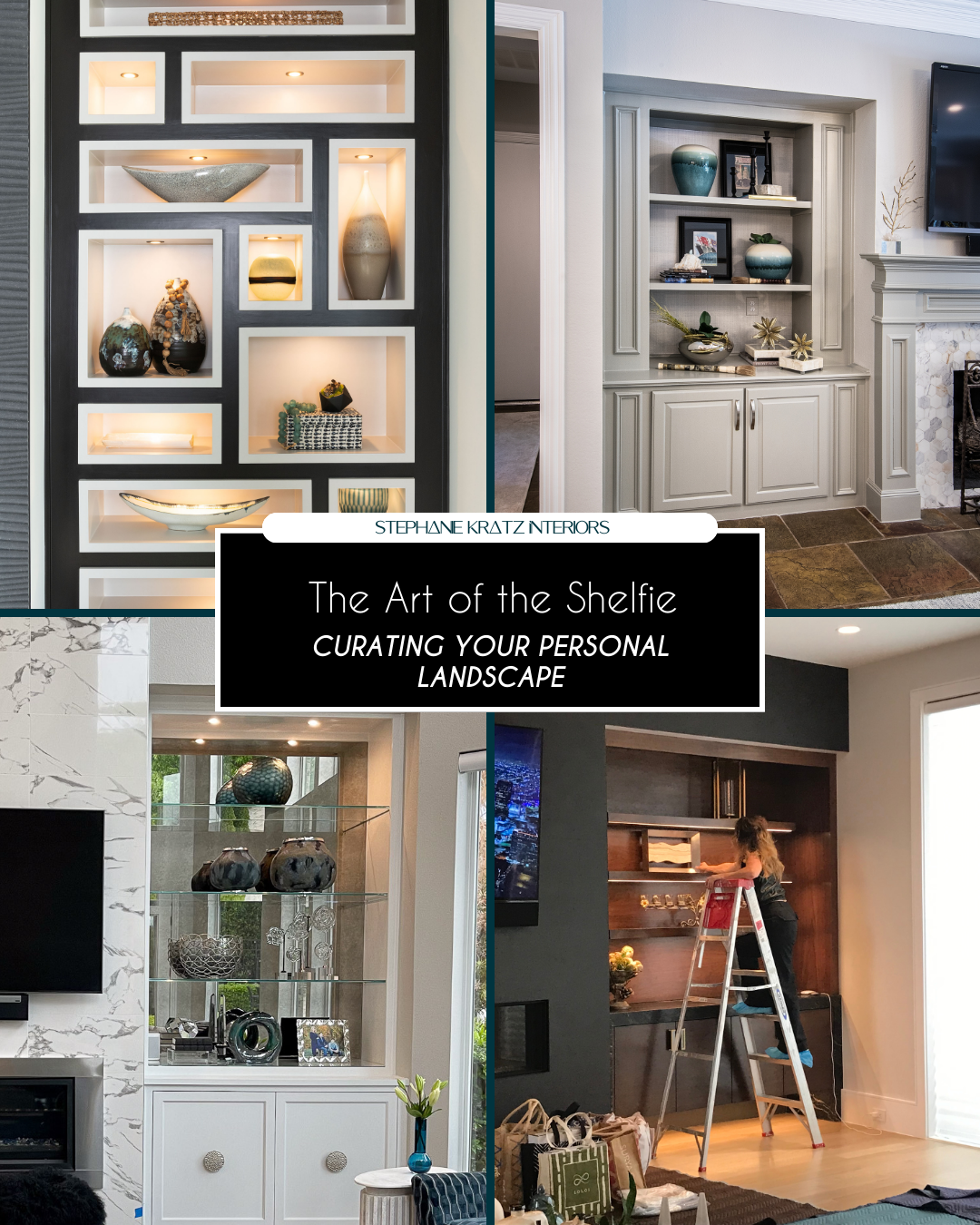

The shelving is what we are working with to make the room feel just right. It is all about finding that perfect balance between the architecture of your home and the lifestyle you lead. We love to mix materials like pairing smooth ceramic vases with old, leather bound books to create "Sensory Engineering" on every level. By layering your items and leaving room for the eye to rest, you turn a simple piece of furniture into a sophisticated design statement. It’s the final 10% of the room that truly makes it feel like a curated sanctuary.


Ready to turn your "blank" shelves into a curated design statement?

Contact Stephanie Kratz Interiors today for a free consultation!


Book A Consultation!

Share This Post

By Stephanie Kratz July 22, 2026
Designing Luxury In-Home Speakeasies, Wine Rooms, and Private Lounges
By Stephanie Kratz June 24, 2026
Estimated Read Time: 3-4 minutes Key Takeaways: Substitute structured summer florals for asymmetrical greens like olive branches or leafy stems to effortlessly soften hard interior lines. Transition seamlessly between commanding architectural branch arrangements in great rooms and deliberate, petite bud vases on bedroom nightstands. Avoid cluttering every surface; instead, utilize negative space, mixed stem heights, and varied vessel textures to let your arrangements breathe. The Power of Organic Texture in Summer Design There’s something about the summer months that calls for simplicity the kind that feels lived-in, light, and intentionally curated. It’s the season of open windows and brighter days, and your interiors should reflect that same effortless transition. One of the most impactful ways to refresh your home for the warmer months is through the strategic use of greenery. Whether you are working with fresh cut architectural branches or beautifully realistic faux stems, the result is always the same: an understated sense of vitality and movement that instantly softens the clean lines of a room. Bringing greenery indoors is far more than a passing decor trend; it is a foundational layer in creating a balanced, restorative sanctuary. In the summer, when traditional floral arrangements can feel overly formal or high maintenance, lush, leafy greens offer a timeless and versatile alternative. Think of olive branches that arc gracefully from a textured ceramic vessel on a coffee table, or trailing stems that add a lived in touch to custom kitchen shelving. These moments don't require professional floristry skills just a thoughtful eye for scale and placement. Designing with Quiet Impact The beauty of indoor plant styling lies in its quiet, calming presence. In a formal living room or great room, a tall stone or glass vessel filled with structural, seasonal greenery becomes a sophisticated focal point, its organic shape echoing the natural landscape just outside the window. In the kitchen, fresh herbs or simple leafy stems placed in clean, minimalist crocks add both function and texture, grounding the space with earthy tones. Even a single, well placed stem positioned on a vanity beside a sleek countertop or tucked onto a styled book stack brings a sense of intention and life to everyday routines. Scale, Placement, and Longevity If you’re wondering how to introduce greenery into more intimate spaces, the secret is in managing scale. The Bedroom: A petite bud vase on a nightstand brings a soft, calming energy to your bedside layout. The Bathroom: A subtle trailing stem balances harder surfaces like marble, glass, and matte black hardware, softening the edges of a shower shelf or vanity. Built Ins: A cluster of high quality faux potted stems layered into custom cabinetry creates rhythm and warmth without overwhelming the eye. When it comes to low light corners, high humidity zones, or maintaining a low maintenance home, premium faux greenery offers a near perfect solution. It allows you to achieve the look of organic modernism without the constant upkeep. The Art of Restraint The key to a successful summer greenery scheme is restraint. There is no need to crowd every available surface; instead, focus on contrast, texture, and the power of intentional white space. Pair smooth, clean ceramics with wild, asymmetric silhouettes. Let the negative space around the arrangement play a role in the design. Choose greenery in varying heights, shapes, and tones to mimic what is found in nature avoiding anything that feels too manicured, matchy, or forced. As you transition your home for the season, look for the places that feel just a touch too stark or a corner that could use a bit of visual depth. Greenery doesn't have to be loud to completely transform a room. By focusing on the quietest details, you can create an environment that feels deeply rooted, relaxed, and effortlessly connected to the natural world.
By Stephanie Kratz June 17, 2026
Estimated Read Time: 3-4 minutes Key Takeaways: Prioritize solution dyed acrylics that mimic indoor tactile luxury while resisting heavy UV rays, moisture, and stains. Choose Grade A teak for high traffic frames, allowing its natural density to mature into a beautiful silvery-gray patina over time Utilize sculptural fiber cement for tables and anchors to resist splitting or shifting during intense seasonal temperature transitions. A Guide to High-End Outdoor Materials Investing in outdoor furniture that stands the test of time begins with one essential factor: material honesty. Designing an outdoor oasis whether it's a poolside loggia, a covered patio, or a private terrace requires pieces that work with the architecture of your home while enduring the environment. In places like North Texas, where the sun and temperature shifts can be intense, choosing durable, weather resistant materials is the key to creating a true summer sanctuary. A beautiful exterior lounge should feel like a direct extension of your indoor living space. To achieve that seamless flow without sacrificing longevity, here is a breakdown of the four high performance materials we rely on most to balance luxury, comfort, and structural integrity. 4 Ways to Choose Durable Materials That Last High Performance Textiles When curating outdoor sofas, chaise lounges, and dining cushions, the fabric must do more than just look sophisticated it has to perform. High performance fabrics like Sunbrella are engineered to withstand heavy UV exposure, moisture, and stains without losing their structural integrity or color density. The beauty of modern performance textiles is that they no longer feel stiff or utilitarian. They offer the soft, tactile luxury of indoor fabrics while remaining entirely low-maintenance and easy to clean. This allows us to bring deep comfort and sophisticated tailoring out to the patio, ensuring your outdoor lounge feels just as inviting as your indoor living room. Grade A Teak Wood When it comes to bringing warmth and organic texture to an outdoor layout, teak wood consistently rises to the top. Rich in natural oils and sporting an incredibly dense grain, teak is inherently resistant to moisture, UV rays, and pests. One of the most beautiful aspects of teak is how it responds to the environment. Over time, it naturally develops a distinguished silvery-gray patina, adding a layer of character and timeless elegance to dining tables and structural seating frames. Because it requires minimal upkeep and physically matures with age, it is one of the smartest foundational investments you can make for an exterior space. All Weather Poly Wicker For clients who appreciate the casual elegance and woven texture of traditional wicker, all-weather poly wicker offers the perfect blend of style and resilience. Engineered from high density polyethylene, this material mimics the organic look of natural fiber but is entirely synthetic and UV resistant. Traditional wicker splits and degrades when exposed to heat and moisture, but all-weather poly wicker remains flexible and colorfast season after season. It brings a relaxed, textured charm to conversational seating arrangements and accent chairs, softening the hard lines of stone patios and pool decks. Architectural Fiber Cement To achieve a clean, modern aesthetic with a commanding presence, fiber cement is an exceptional choice for outdoor tables, fire features, and custom planters. Known for its sleek, sculptural capabilities, it perfectly balances a raw, industrial texture with contemporary, sophisticated form. Beyond its striking visual weight, fiber cement is incredibly durable and stable. It resists extreme heat, heavy moisture, and constant sun exposure without cracking or shifting. Its grounded, structural feel introduces a beautiful architectural element to garden nooks and main patio layouts alike, acting as a perfect anchor for lighter, upholstered furniture pieces.
More Posts