Full Home Renovations vs New Build Construction: Which One is Right for You?

Stephanie Kratz • October 9, 2023

Full Home Renovations vs New Build Construction

Are you considering a major home project, but you’re unsure whether to renovate your existing property or build a new home from scratch? Making the right decision can be challenging, as both choices have their own unique advantages and disadvantages. In this post, we’ll review some key factors to consider before making a decision, the benefits of investing in home renovations, cost comparisons, and the advantages of building a new home. By the end, you should have a better idea of which option best suits your needs

Considerations for Making a Wise Renovation vs New Build Decision 

Before you decide to renovate or build a new home, it’s essential to determine your long-term goals. Renovating your current property can be an excellent choice if you love your neighborhood and want to stay in the area but desire a more modernized space. Building a new home may be the right choice if you aren’t happy with the location of your current home or require more space than your current property offers. Additionally, consider your budget, timeline, and specifics on what you wish to change or build.


The Benefits of Investing in Home Renovations 

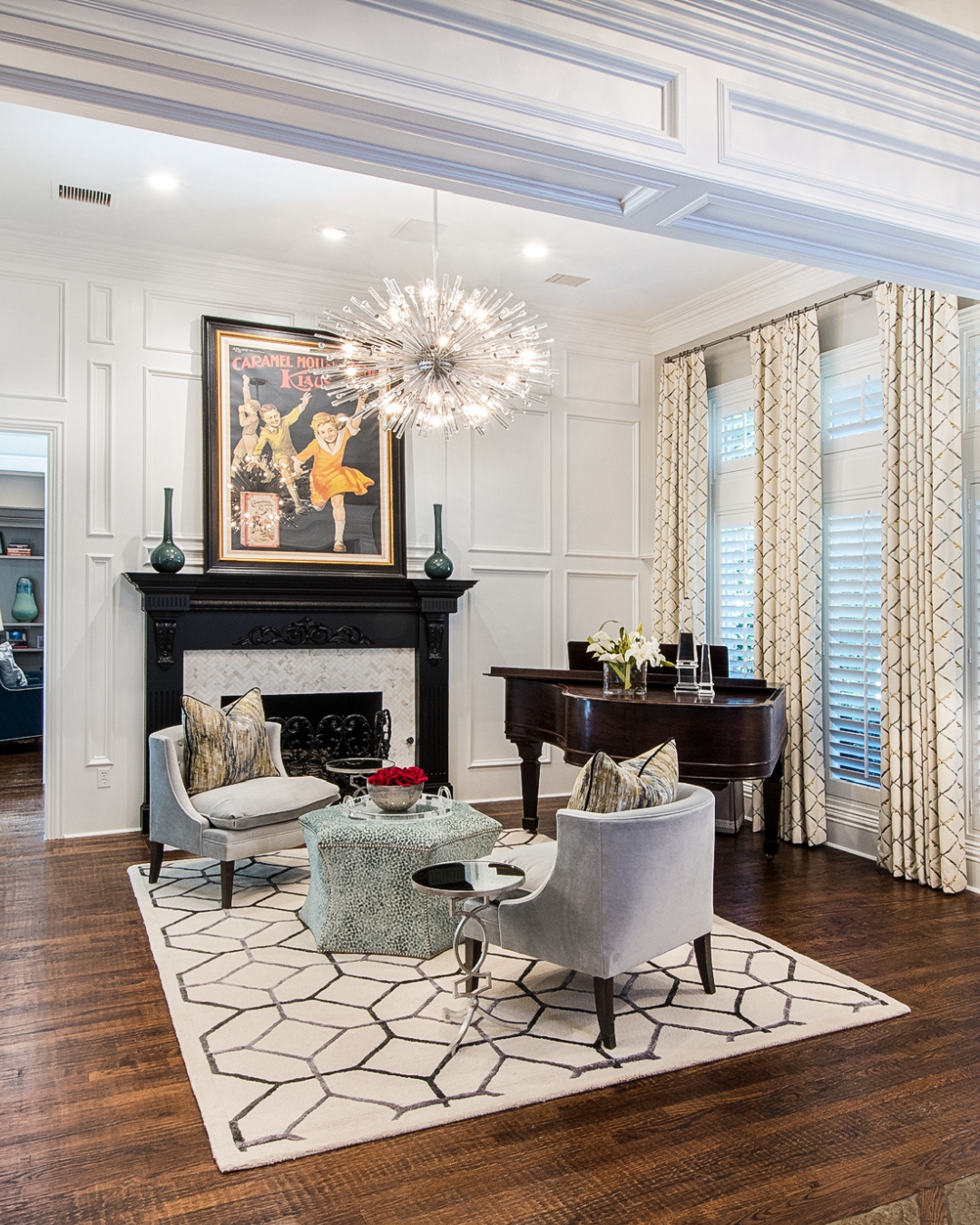
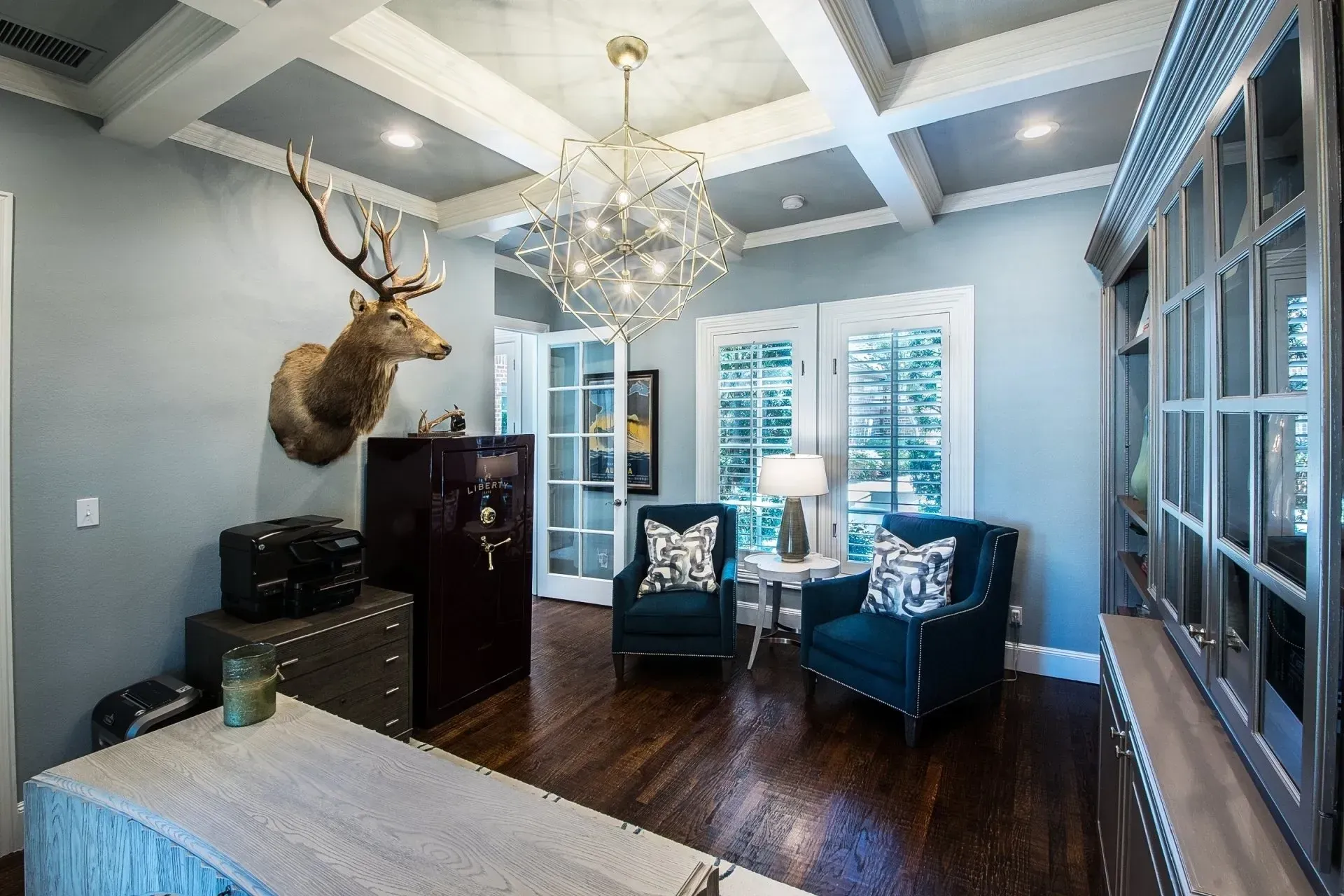
Renovating your current property comes with a range of benefits. The most significant benefit is that you don’t have to move from the home and neighborhood you love. Additionally, remodeling a property can be less expensive than building a new one, and a renovation project can often be completed more quickly than starting from scratch. You’ll also have more capacity for customization, so your newly-renovated property can reflect your specific taste and needs. 


Working with an Interior Designer to Start Your Home Project 

Whether you decide to go through a full renovation or build a new home, it’s essential to work with an experienced interior designer. Interior Designers have the skill set and know-how needed to optimize your living space and create the flow, ambiance, and atmosphere you're desiring in your dream home. Many professional interior designers specialize in either renovation or new builds, so it's essential to find an interior designer like Stephanie Kratz Interiors who works within the type of project you are planning. 


During a home renovation, an interior designer plays a pivotal role in transforming your living space into a functional and aesthetically pleasing environment. They start by understanding your lifestyle, preferences, and needs, all to create a design that is uniquely tailored to you. Through their expertise in space planning and knowledge of design principles, they can reconfigure your existing layout to optimize functionality and enhance flow. They also have an eye for color schemes, lighting design, furniture selection, and other design elements, all of which contribute to the overall ambiance of your home. Furthermore, interior designers have access to resources and materials that may not be readily available to the general public, giving your home a distinctive, polished look. By overseeing the project from start to finish, they ensure that the design vision is executed accurately and to your satisfaction, thus alleviating any stress associated with the renovation process. 


Increasing the Value of Your Existing Home with Smart Renovations 

Home renovations can be an ideal way to improve the value of your property without committing to a new build. Renovation projects, such as kitchen or bathroom remodeling, can offer substantial ROI and can increase the value of your property. An experienced contractor can provide guidance on which types of home improvements will have the most significant impact on your property value. 


Cost Comparisons for Home Upgrades and New Construction 

When it comes to the expenses of renovating versus new build construction, there is no one-size-fits-all answer. Home renovation costs can vary depending on the type of work completed, the home’s square footage, and the cost of living in your area. The cost of new construction will vary widely based on the size of the project, contractor’s pricing and availability, and location. It’s essential to have an in-depth conversation with a contractor and custom home builder to fully understand various factors to determine which option is right for you.


The Advantages of Building From Scratch - Why You Should Consider a New Build 

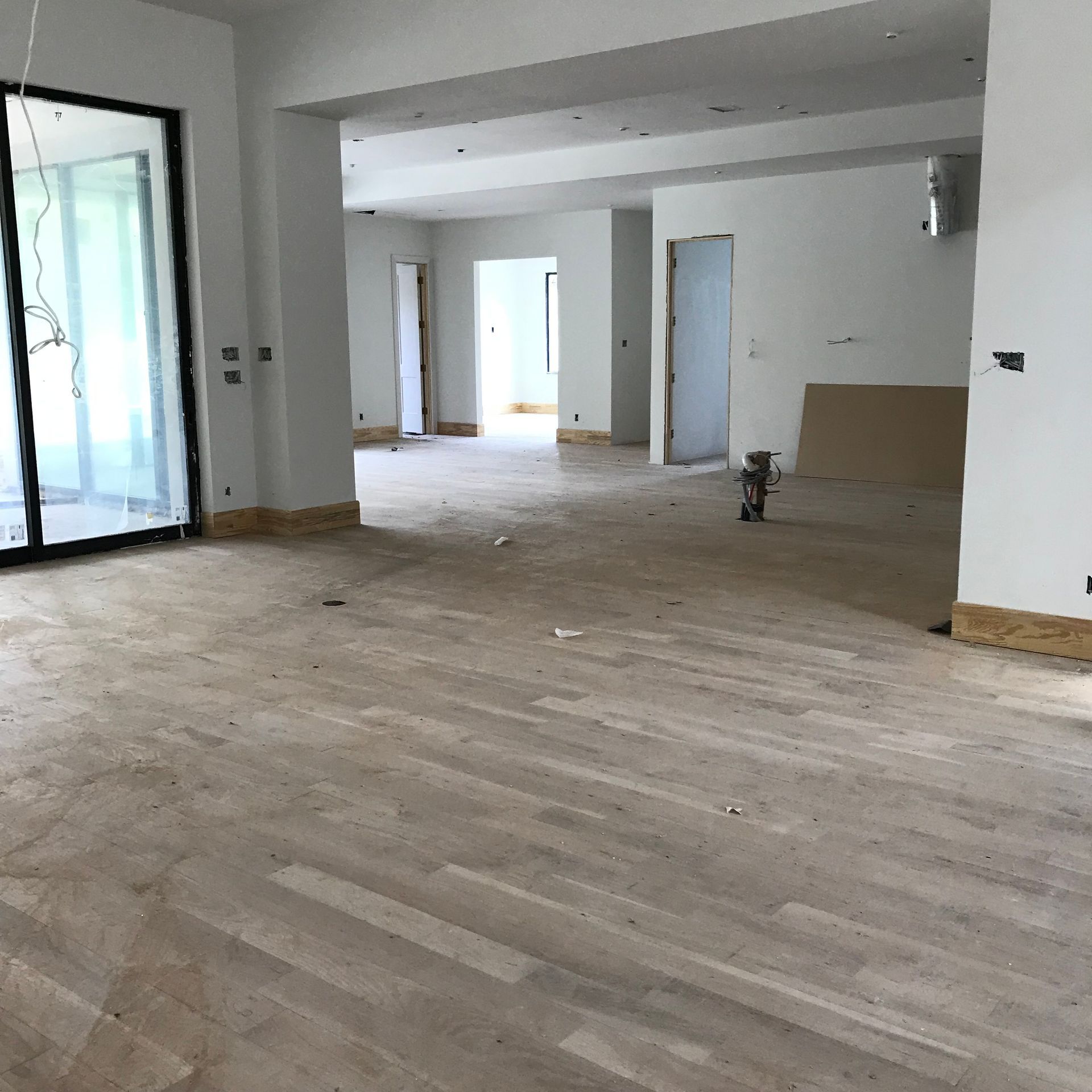
While home renovations have some advantages, there are many advantages to building a new home from scratch. The most significant benefit is the ability to create a custom home designed to meet your specific needs and wants. It is easier to design and implement modern systems and technology as waterproofing, insulation, decking, and roof tiling by starting afresh. Building a new home lets you begin with a clean slate and allows you to select all of the features that you want in your dream home. 

Engaging an Interior Designer From the Blueprint Phase of a New Build 

Incorporating an interior designer from the very beginning of a new build is an invaluable step that should not be overlooked. It gives the designer an in-depth understanding of the architectural layout, which can inform the design decisions and ensure the end result is harmonious and balanced. Interior designers can provide valuable insights during the blueprint phase, identifying potential issues and offering solutions. They can suggest alterations that enhance the functionality of your home and improve the flow between rooms. They can also collaborate with architects and contractors, ensuring that your aesthetic preferences and practical needs are incorporated from the start. This proactive approach saves time, prevents costly mistakes, and results in a home that is beautifully designed and functional right from the start.



Choosing The Right Option for You 

Deciding between renovating or building a new home can be a daunting decision, but we hope this post has provided some key insights to make the process easier. The truth is that both options come with long-term benefits, and choosing one depends on your specific needs and goals. If you’re still unsure which option to choose, it’s best to meet with experienced interior designers like Stephanie Kratz Interiors to guide you through the entire process, offering some insight and professional expertise. No matter which path you take, taking the time to research and decide can ensure that you get the home you’ve always dreamed of. To learn more about how Stephanie Kratz Interiors can help you with your Home Renovation or Custom New Build, schedule a free discovery call today! 


Share This Post
By Stephanie Kratz June 10, 2026
Estimated Read Time: 3-4 minutes Key Takeaways: Use layered stacks of large format books at varying heights to introduce structural depth and express your personal aesthetic. Contrast smooth surfaces with architectural, tactile objects like stone cuboids, marble bowls, or artisan ceramics. Leave intentional open space for hosting while integrating high-end interactive elements like a custom marble chess set. How to Style a Coffee Table with Intention A well styled coffee table has the power to pull an entire living space together, but knowing where to start can feel overwhelming. "How do I style my coffee table?" is one of the most common questions we hear and for good reason. As the natural centerpiece of the living room, it plays a massive role in your daily life. From anchoring a room during an evening of hosting to serving as a functional landing place for books, candles, and cocktails, it is easily one of the hardest working pieces of furniture in the home. When approaching your layout, the first things to consider are shape, scale, and proportion. Whether your table is a sleek rectangular stone block, an oversized square, or a minimalist round design, your styling choices should enhance the flow of the room while showcasing your personal narrative. To help you elevate your space, we’re breaking down three of our favorite design approaches to transform a simple surface into a beautifully curated, layered focal point. How do you choose the right dining chairs, when should you mix and match seating, and how can you ensure your selections fit the scale of your table? Whether your home features an open floor plan or a more defined dining area, here are four practical strategies for mixing and matching dining seating to create a space that feels unified, inviting, and timeless. 3 Approaches to a Beautifully Curated Surface Stacking with Scale Using books as the structural foundation of your coffee table is a classic, timeless styling technique. Books add instant warmth, but they also serve a deeper purpose in high-end design: they introduce height, structure, and a distinct sense of personality. Instead of a single book, try creating two to three clean stacks of varying heights to build visual interest across the surface. The subjects you choose whether focused on travel, architecture, fashion, or fine art communicate a great deal about the people who inhabit the home. Beyond their aesthetic value, stacks of large format books provide the perfect elevated platform to layer in smaller decorative elements, like a simple catch all marble bowl or a clean, scented candle. Incorporating Form and Texture To keep a modern or transitional living space from feeling flat, your coffee table needs a high touch, tactile moment. This approach focuses on incorporating unique decorative objects that invite the eye and the hand to explore. Think about contrasting the smooth surface of your table with pieces that offer physical depth and material honesty. A heavy, hand-honed stone cuboid, a sculptural marble object, or a sleek glass box can act as beautiful, artistic anchors. You can also introduce organic texture with a minimalist ceramic vase holding simple greenery or pampas grass. The goal is to select items that have an architectural quality, transforming your table into a mini-gallery of curated treasures. Designing for Engagement For homes that prioritize entertainment and hospitality, the coffee table should function as a natural invitation for guests to linger and interact. This layout is all about blending upscale design with low-stimulus, engaging elements that turn the room into a sophisticated lounge. Consider incorporating beautifully crafted, high end versions of classic pastimes directly into the landscape such as a heavy wood or marble chess set, or a designer deck of cards in a sleek leather case. When styled alongside ample open space for guests to set down a drink, this approach strikes the perfect balance between refined luxury and a welcoming, lived in atmosphere.
By Stephanie Kratz June 3, 2026
Estimated Read Time: 3-4 minutes Key Takeaways: Avoid a uniform showroom look by mixing chair tones and textures against the finish of your dining table. Pair substantial, fully upholstered end chairs with streamlined side chairs to eliminate a clattering "forest of legs." Reserve mixed seating arrangements for rectangular or oval tables, keeping circular tables uniform to protect symmetry. How to Build a Curated Dining Space with Intention Your dining area shouldn’t feel like a sterile showroom, mixing chair styles can turn it into a space that’s both cohesive and full of personality. Creating a beautiful and functional gathering area comes down to choosing the right chair combination. Because the dining room is one of the most high traffic spaces for hosting and family life, finding seating that complements your style and fits your layout is essential. How do you choose the right dining chairs, when should you mix and match seating, and how can you ensure your selections fit the scale of your table? Whether your home features an open floor plan or a more defined dining area, here are four practical strategies for mixing and matching dining seating to create a space that feels unified, inviting, and timeless. 4 Strategies for a Curated Dining Space Balance Tones and Materials The easiest way to establish visual balance is by looking at how the chairs interact with the finish of the table itself. If you have a solid wood table, avoid using matching wood chairs. Instead, introduce a strong contrast to let the pieces stand alone. For example, pairing a rich wood grain table with leather or textured fabric side chairs creates a sophisticated, layered look. If you want to mix chair styles, a foolproof approach is to use solid upholstered chairs exclusively for the ends of the table (the captain's chairs). This grounds the setup, provides a clear visual anchor, and gives the eye a nice break from repetitive lines. Contrast Weight and Shape When mixing seating, pay close attention to the structural weight and the legs of the chairs. If your end chairs are fully upholstered and have a more substantial, chunky silhouette, keep the side chairs simple, thin, and streamlined. You want to avoid a "forest of legs" where every single piece is competing for attention. If your side chairs feature slender metal or wood legs, pairing them with a clean, slipcovered or fully upholstered end chair with a hidden frame eliminates visual clutter. Always pick an end chair with more substantial weight when mixing it with slender side chairs so the arrangement feels intentional, not random. Factor in the Surrounding Space Your seating choices shouldn't be made in a vacuum; the architecture and layout of the room should dictate your decisions. In an Open Concept: You must look at the kitchen and dining areas as one continuous landscape. If your kitchen counter stools are visible from the dining table, they need to speak to each other. If your counter stools are natural wood, consider introducing iron, black metal, or fabric seating in the dining room to create a sophisticated, connected flow without matching exactly. In Smaller Spaces: Be cautious with how many different materials you introduce. Stick to a tight palette—like a wood table paired with matte black side chairs and a clean matching bench. Incorporating a streamlined bench is a fantastic, minimalist solution for tighter spaces, offering flexible seating for larger gatherings while keeping the sightlines open. Let Table Shape Dictate the Style The shape of your dining table is the ultimate blueprint for your seating layout. As a general rule, circular or round tables call for a continuous, uniform look. Mixing chair styles around a round table can quickly feel chaotic and disrupt the room's symmetry. Mixed and matched seating works beautifully on rectangular or oval tables, which naturally leave room for switching up the side and end chairs. To achieve a classic meets modern vibe, pair simple side chairs without arms alongside commanding end chairs with arms. If you want to refresh your existing space without a complete overhaul, simply swapping out your two end chairs for something texturally distinct can instantly breathe new life into the entire room.
By Stephanie Kratz May 27, 2026
Estimated Read Time: 3-4 minutes Key Takeaways: Transition to Light Linens to add movement and breeziness to your indoor-outdoor flow. Focus on Expanding the Architectural Horizon by blurring the lines between your lounge and your patio. Use Atmospheric Engineering to manage the increased natural light and keep your home a cool, restorative retreat. Transitioning Your Home for the Warmer Months As the Texas sun begins to intensify, your home should transition from a cozy winter retreat into a breezy, Summer Sanctuary. At Stephanie Kratz Interiors, we believe in "Seasonal Fluidity" the ability of your home to adapt its Atmospheric Engineering to the time of year. Transitioning for summer isn’t about redecorating; it’s about shifting the Tactile Integrity of your space to reflect the light, energy, and openness of the season. 3 Essentials for a Restorative Summer Home The Breezy Fifth Wall As we head into May and June, we swap heavy velvets for light, Belgian linens. This is about Expanding the Architectural Horizon; lighter fabrics catch the summer breeze and move with the air, adding a sense of "Organic Modernism" to your windows. Light filtering sheers allow you to maintain privacy while letting in that soft, minimally stimulating summer glow. Blurring the Social Sanctuary Lines In the summer, your patio should feel like a direct extension of your living room. We focus on Spatial Integrity, ensuring the furniture layouts and "Visual Anchors" outdoors mirror the sophistication of the indoors. By using performance fabrics with "High-Touch" textures, your outdoor lounge becomes a seamless part of your home’s Personal Narrative. Cooling the Sensory Palette Summer design is about Sensory Engineering to keep the mind cool. We look for "Material Honesty" in cooler tones think matte whites, soft grays, and natural stone surfaces. By reducing visual clutter and emphasizing "Intentional White Space," you create a low stimulus environment that feels like a cold glass of water on a hot day.
More Posts