Unique Urban Modern Interior Design to Inspire Your Next Home
March 9, 2023
When you're thinking about renovating your home, one of the first things you'll need to do is come up with a design scheme. If you're unsure where to start, check out some of our featured urban modern interiors for inspiration.
From sleek and modern to warm and inviting, each of these homes has been designed to make the most of its location and its unique features. So whether you're looking for a fresh new look or just some ideas to get you started, take a look at these fantastic interiors!
Urban Modern Design: What Exactly Do We Mean?
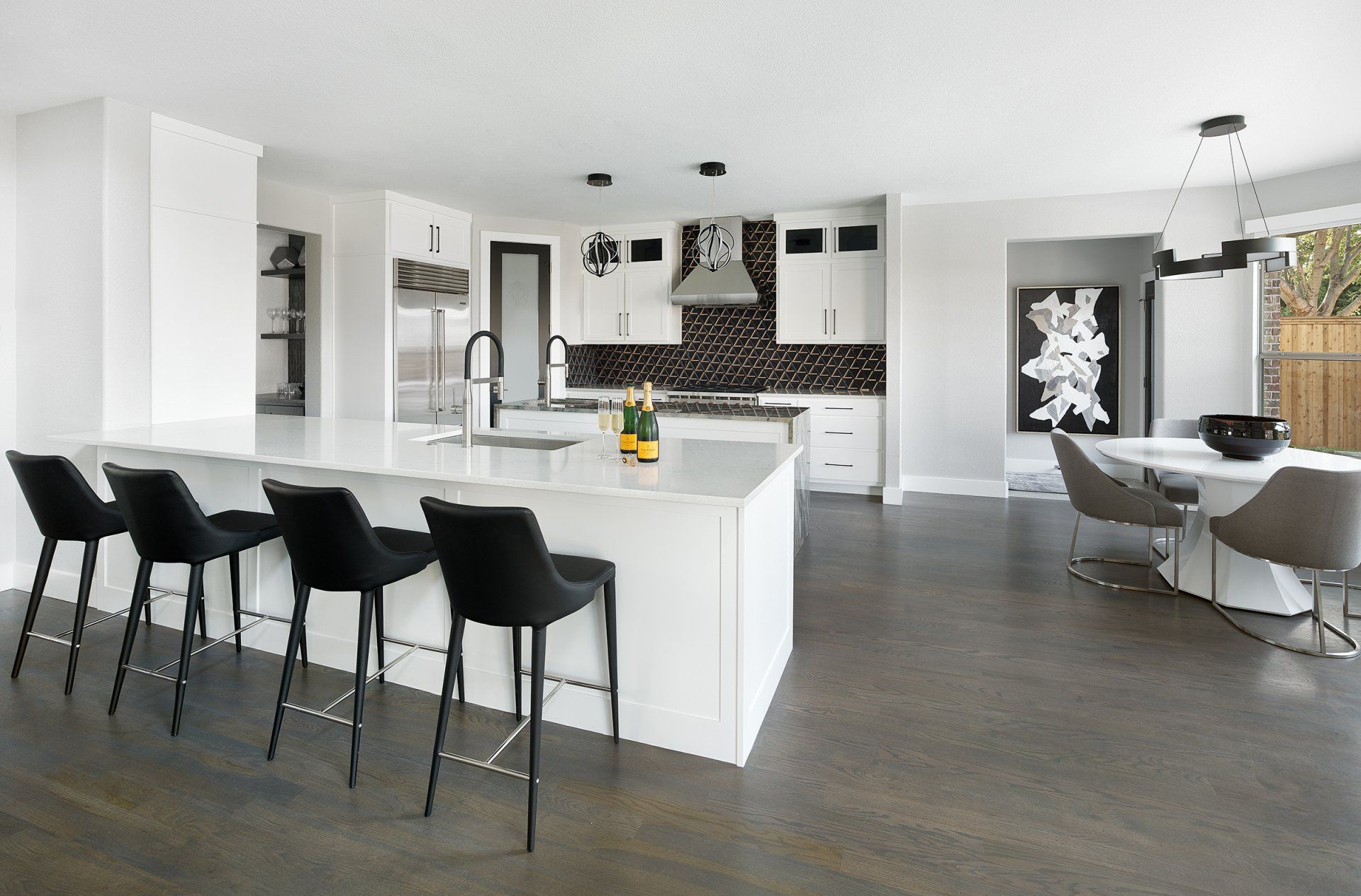
Urban modernism is a design movement that emerged in the late 1950s and 1960s in countries such as Canada, Germany, Sweden, and the United States. The style emphasizes clean lines, open spaces and natural materials. It can be seen in contemporary architecture, interior design, and fashion.
If you're looking for a unique and stylish way to spruce up your home, you'll want to check out some of the urban modern interior design
trends that are emerging right now. With styles that range from minimalist to chic, these designs are perfect for anyone who wants a contemporary look in their home.
Elements of Urban Interior Design
Urban living is all about living in the moment and embracing change. Your home should be as unique and modern as possible to reflect your personality.
Here are some of the latest trends in urban interior design that you can use to spruce up your home:
Space
Many people think of urbanites as crammed together in large cities. However, the reality is that many people now live in urban environments that are more like suburban areas. This trend has led to an increase in the number of people who work from home, and it has also created a demand for spaces that are explicitly designed for urban living.
The elements of urban interior design that are most popular include areas with high ceilings and lots of natural light. These spaces make it easy to feel spacious and relaxed. They are also perfect for organizing the clutter of city life.
Lines
Lines are one of the most important elements of any interior design. They help to organize the space and create a sense of order. When designing your home, consider using a variety of line types to create different effects.
For example, use straight lines to create a sterile or clinical appearance or curved lines to add texture and depth. Experiment with different line widths and colors to find the look that best suits your needs.
Form or Shape
When designing an interior, it's important to consider the elements of form and shape. These include the layout of furniture and decoration, as well as the use of light and color. Pay attention to how these elements work together to create a coherent look and feel.
A modern interior is a blend of both natural and artificial elements. The goal is to create a comfortable place that looks stylish as well. When it comes to forming, modern designers often focus on creating flow arrangements and shapes that are both visually appealing and functional. Of course, the function is always key when designing an interior, so interior designers ensure that everything works together seamlessly.
Pattern
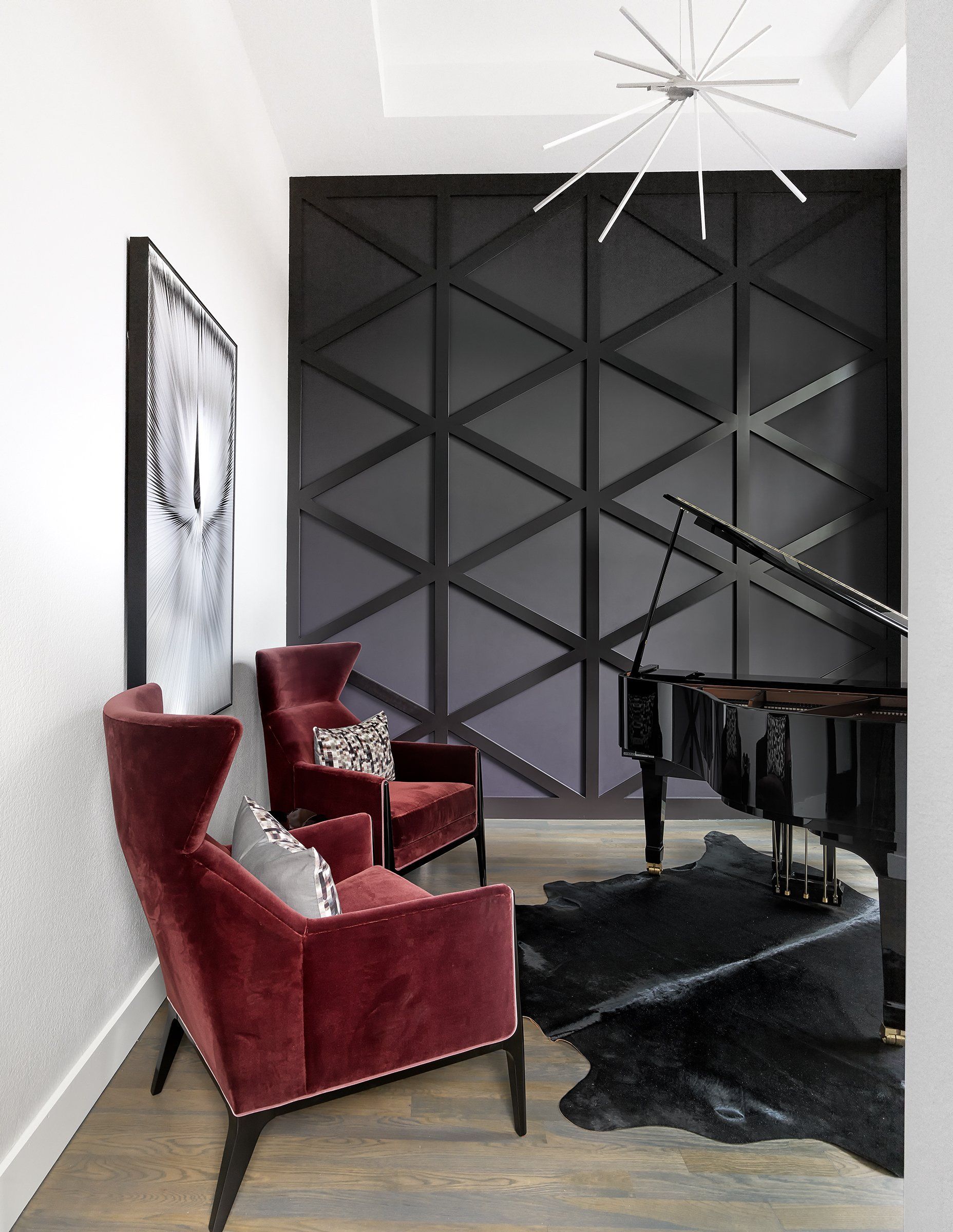
Urban modern interiors are all about maximizing space and working with limited resources. This can mean using clever combinations of patterns, textures, and colors to create a cohesive look.
Here are four unique patterns that can inspire your home’s interior:
1. Checkerboard
A checkerboard pattern is a great way to add personality and interest to a room. It can be used as an accent on walls or floors or combined with other patterns to create a more cohesive look. Plus, it's easy to update as new trends come along!
2. Stripe
If you're looking for a unique modern interior design, Stripe might be the perfect option for you! This style of design typically features a lot of bold stripes that can change the perspective of a room.
In some cases, the direction of the stripes can make it seem taller or wider than it really is. This effect can add an air of intrigue and excitement to any space, making it the perfect choice for a home that wants to stand out from the crowd.
3. Geometric
Geometric designs are popular because they're versatile and eye-catching. They can be used in large or small spaces and combined with other patterns for a more complex look. They're also perfect for modern kitchens or bathrooms because they have a sleek look that will match any décor style.
4. ZigZag
Zigzag patterns are unique and eye-catching, and they can be used in many different ways. They can be used as the primary design element or combined with other patterns to create a more interesting look. They're also perfect for small spaces because they don't take up a lot of room.
Light
If you've ever felt like your home could use a little light, you're not alone. A lack of natural light can lead to fatigue, stress, and depression. Fortunately, there are plenty of ways to add light and fresh air to your home without breaking the bank or going too crazy.
Here are five unique urban modern interior design ideas that will inspire your next home:
1. Floor-to-Ceiling Windows
Zigzag patterns are unique and eye-catching, and they can be used in many different ways. They can be used as the primary design element or combined with other patterns to create a more interesting look. They're also perfect for small spaces because they don't take up a lot of room.
2. Skylights
Installing skylights or roof lights are great ways to add extra light to a room without opening up your windows. They also add an airy feel to any space, making it more spacious and open.
3. Low-Wattage Bulbs
Use artificial lighting sparingly. Too much artificial lighting can lead to fatigue, stress, and depression. Instead of relying on artificial lighting, use lamps that cast a warm glow or choose fixtures with low-wattage bulbs for an ambient light effect instead.
4. Chandelier
Installing a chandelier or light fixture provides a beautiful and elegant focal point for any space. They can also be used to add extra light to a room while adding a magnificent design aspect.
5. Wall Sconces
Wall sconces are a great way to add subtle ambient light to a room without taking up floor space. They can light up specific areas in a room or as a general illumination source for the entire space.
Color
One of the most important factors in any interior design project is the choice of color. With so many colors available, it can be hard to know where to start.
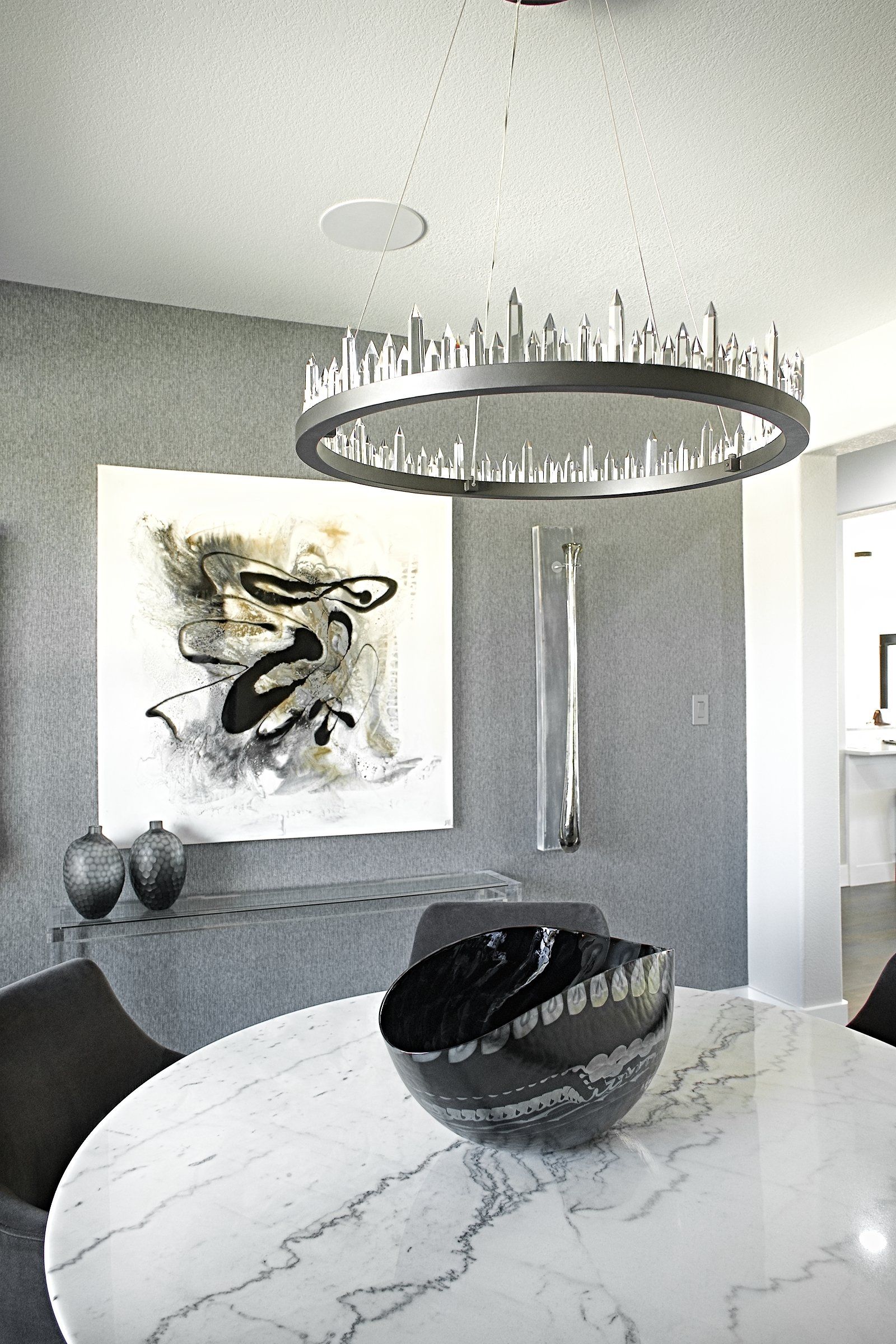
When looking for a new home, it is important to find something that fits your lifestyle. This can be done by exploring different modern urban interior design styles. One of the popular styles is color-neutral modern design.
This style focuses on using black and neutral colors to create a sleek and chic look. This type of design is perfect for people who want an inviting and comfortable home that doesn't take up a lot of space.
Texture
Textures add character and life to a room. In a modern urban interior, textured walls, ceilings, and floors can create an exciting and unique look.
Here are some ideas to get you started:
- Use large textures on the floor or walls. For example, use tiles, rugs, or large pieces of fabric. This will add interest and movement to the room.
- Add small details to your walls with pictures, sculptures, or plants. This will give the room more personality and make it feel more lived in.
- Try using natural materials in your textured design. For example, use wood panels or stone floors. This will add warmth and character to your space.
Urban Modern Interior Design: What Sets Them Apart?
While there are many types of interior design, one of the most unique is urban modern. This type of design is all about creating a sleek and contemporary look in your home without having to break the bank.
Here are some tips to help you create a modern urban interior:
Neutrals and Blacks
These colors will work well together and of any kind.
Modern Furniture and Light Fixtures
These pieces will add a touch of class to your home without breaking the bank.
Modern and Versatile Flooring
You can choose tile, wood, or even linoleum for your floors, all of which will look great in any space.
Minimalistic Walls
Use bold patterns or clean lines to create a striking look on your walls.
Natural Materials
Using natural materials whenever possible will give your home a warm and inviting feel.
What Is The Importance Of Urban Modern Interior Design?
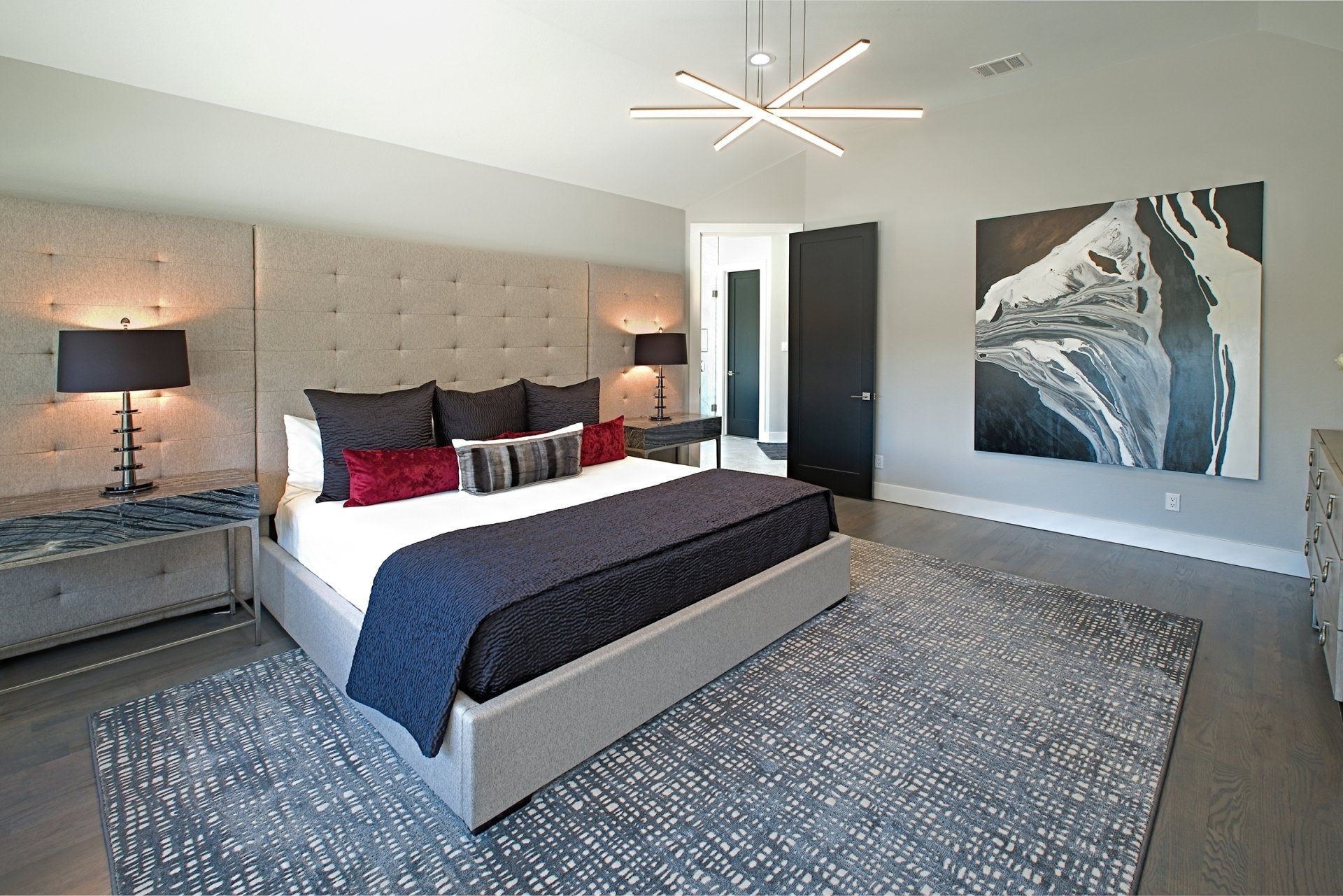
The importance of modern urban interior design cannot be overstated. It is often considered one of the most important styles in interior design today. This design typically focuses on creating a modern and functional space that is both stylish and comfortable. The goal is to create a space that is both inspiring and functional, which will help you feel at home no matter where you are.
There are many benefits to opting for urban modern interior design. For instance, this style is often considered to be more energy efficient than other styles. This is because it features sleek and simple designs that use minimal materials.
Additionally, modern urban interior design is often considered more affordable than other styles. This is because it features popular contemporary trends without the high cost of traditional furniture. Plus, urban modern interior design can easily be adapted to any size or style of home.
So whether you’re looking for a fresh new look or something that can be customized to fit your specific needs, urban modern interior design is a great option to consider.
Why Choose Stephanie Kratz Interiors For Your Urban Modern Interior
Stephanie Kratz Interiors
knows how to create a beautiful, comfortable and functional urban interior. Stephanie’s designs are always intended to reflect the personality of her clients, which makes them unique and one-of-a-kind.
Are you considering a new home or office design? Choose Stephanie Kratz interiors for your project! We offer high-quality designs that will fit your needs and style. Contact us
today to book a discovery call with Stephanie Kratz!
Share This Post
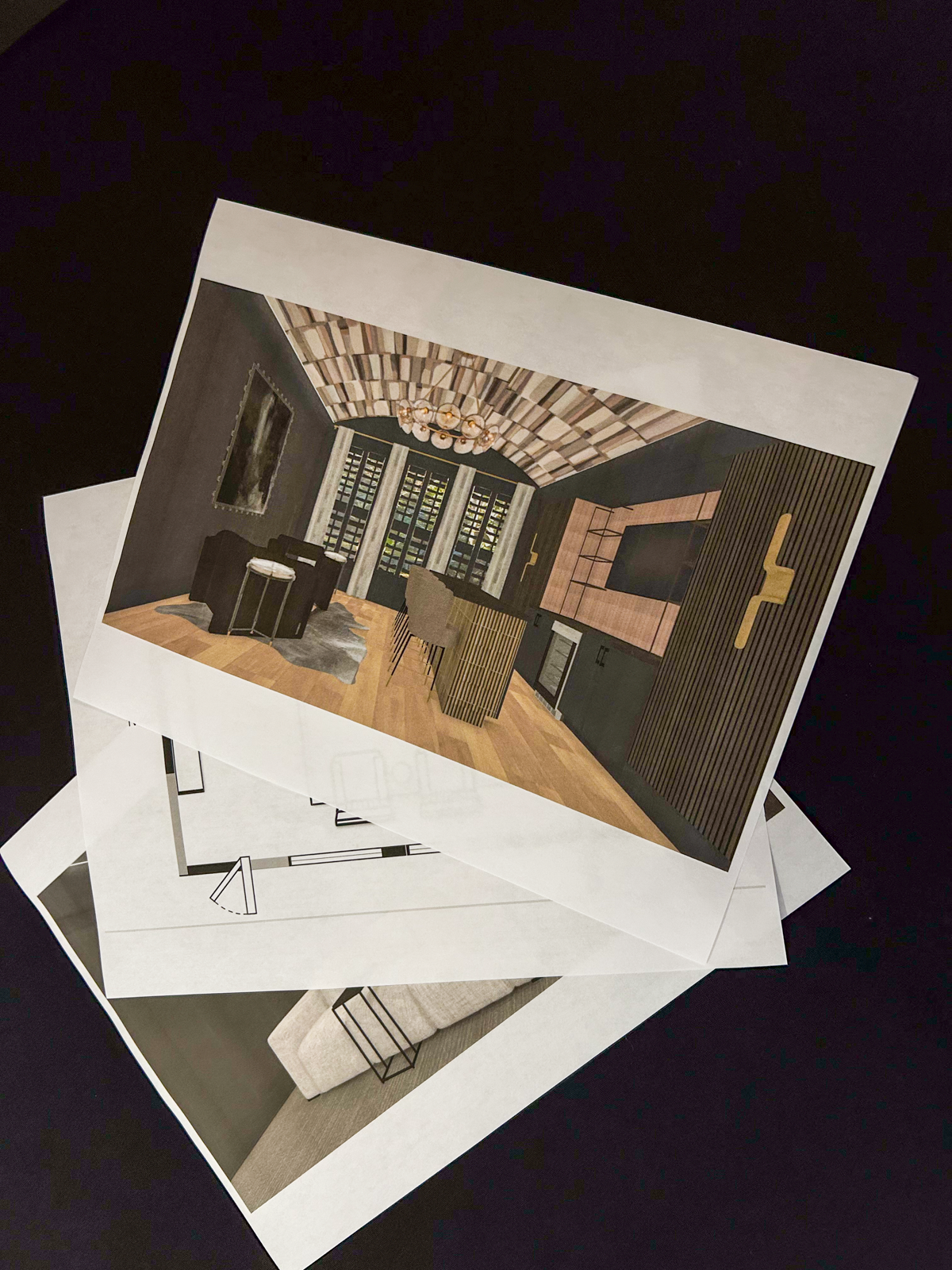
Designing Luxury In-Home Speakeasies, Wine Rooms, and Private Lounges
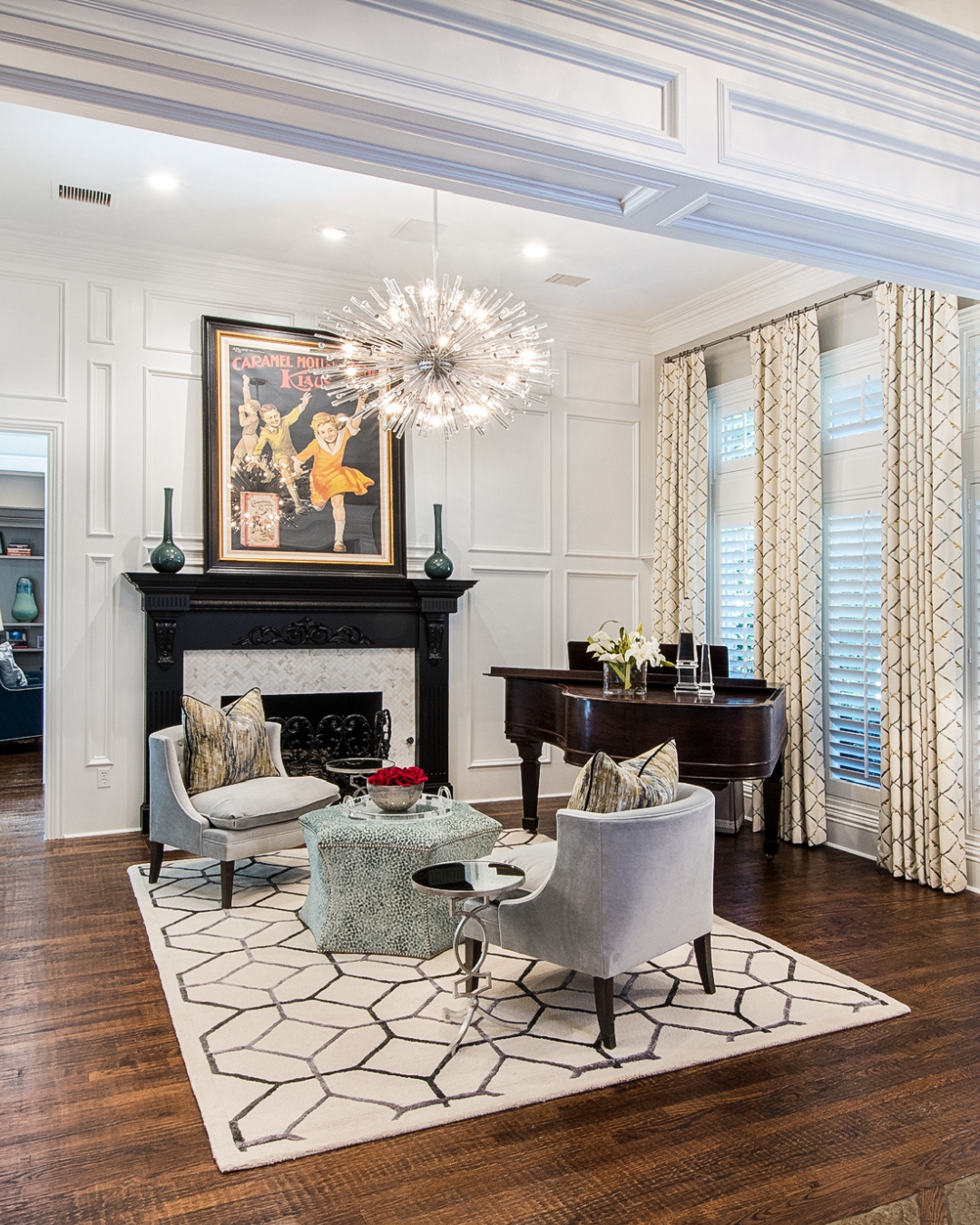
Estimated Read Time: 3-4 minutes Key Takeaways: Substitute structured summer florals for asymmetrical greens like olive branches or leafy stems to effortlessly soften hard interior lines. Transition seamlessly between commanding architectural branch arrangements in great rooms and deliberate, petite bud vases on bedroom nightstands. Avoid cluttering every surface; instead, utilize negative space, mixed stem heights, and varied vessel textures to let your arrangements breathe. The Power of Organic Texture in Summer Design There’s something about the summer months that calls for simplicity the kind that feels lived-in, light, and intentionally curated. It’s the season of open windows and brighter days, and your interiors should reflect that same effortless transition. One of the most impactful ways to refresh your home for the warmer months is through the strategic use of greenery. Whether you are working with fresh cut architectural branches or beautifully realistic faux stems, the result is always the same: an understated sense of vitality and movement that instantly softens the clean lines of a room. Bringing greenery indoors is far more than a passing decor trend; it is a foundational layer in creating a balanced, restorative sanctuary. In the summer, when traditional floral arrangements can feel overly formal or high maintenance, lush, leafy greens offer a timeless and versatile alternative. Think of olive branches that arc gracefully from a textured ceramic vessel on a coffee table, or trailing stems that add a lived in touch to custom kitchen shelving. These moments don't require professional floristry skills just a thoughtful eye for scale and placement. Designing with Quiet Impact The beauty of indoor plant styling lies in its quiet, calming presence. In a formal living room or great room, a tall stone or glass vessel filled with structural, seasonal greenery becomes a sophisticated focal point, its organic shape echoing the natural landscape just outside the window. In the kitchen, fresh herbs or simple leafy stems placed in clean, minimalist crocks add both function and texture, grounding the space with earthy tones. Even a single, well placed stem positioned on a vanity beside a sleek countertop or tucked onto a styled book stack brings a sense of intention and life to everyday routines. Scale, Placement, and Longevity If you’re wondering how to introduce greenery into more intimate spaces, the secret is in managing scale. The Bedroom: A petite bud vase on a nightstand brings a soft, calming energy to your bedside layout. The Bathroom: A subtle trailing stem balances harder surfaces like marble, glass, and matte black hardware, softening the edges of a shower shelf or vanity. Built Ins: A cluster of high quality faux potted stems layered into custom cabinetry creates rhythm and warmth without overwhelming the eye. When it comes to low light corners, high humidity zones, or maintaining a low maintenance home, premium faux greenery offers a near perfect solution. It allows you to achieve the look of organic modernism without the constant upkeep. The Art of Restraint The key to a successful summer greenery scheme is restraint. There is no need to crowd every available surface; instead, focus on contrast, texture, and the power of intentional white space. Pair smooth, clean ceramics with wild, asymmetric silhouettes. Let the negative space around the arrangement play a role in the design. Choose greenery in varying heights, shapes, and tones to mimic what is found in nature avoiding anything that feels too manicured, matchy, or forced. As you transition your home for the season, look for the places that feel just a touch too stark or a corner that could use a bit of visual depth. Greenery doesn't have to be loud to completely transform a room. By focusing on the quietest details, you can create an environment that feels deeply rooted, relaxed, and effortlessly connected to the natural world.
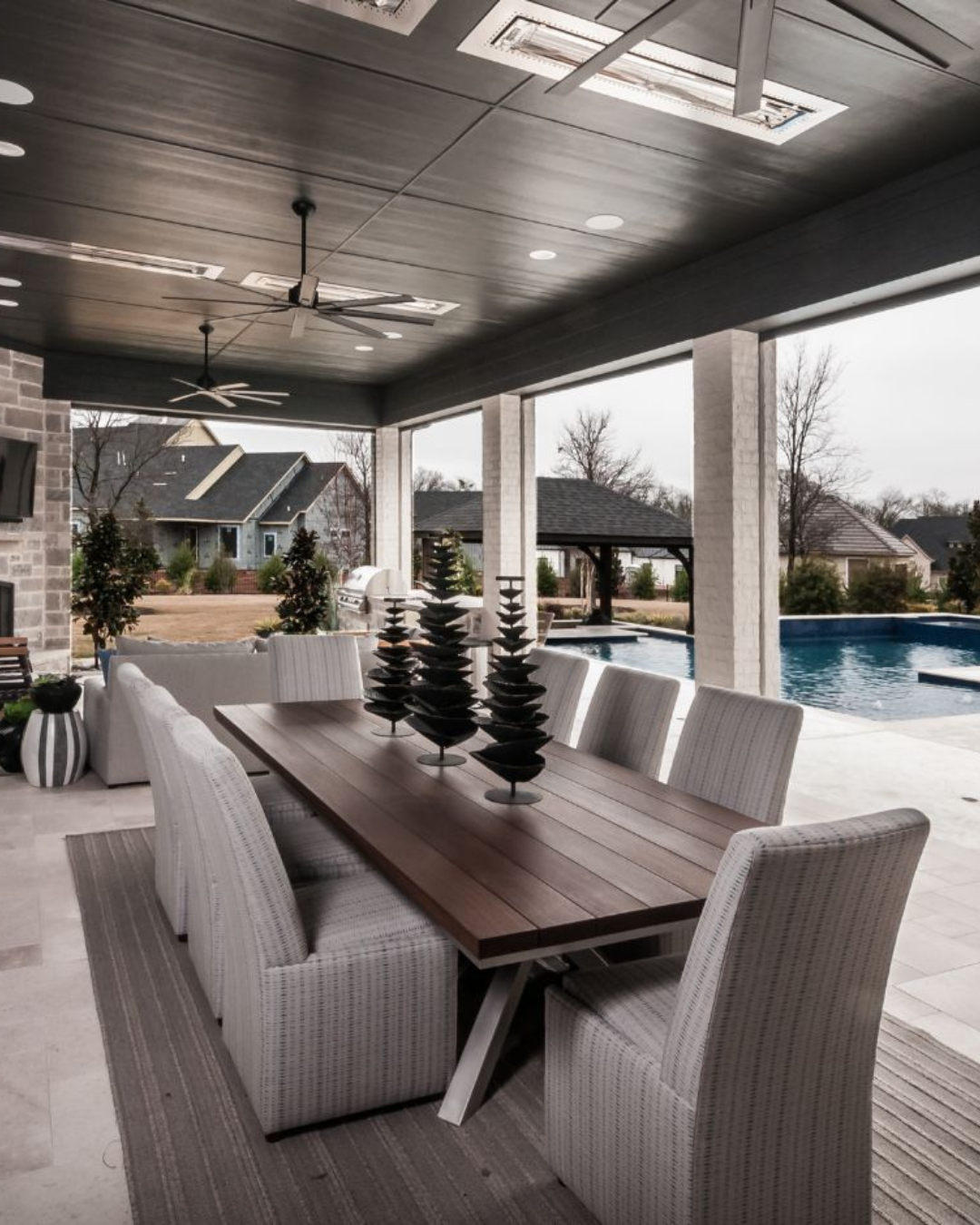
Estimated Read Time: 3-4 minutes Key Takeaways: Prioritize solution dyed acrylics that mimic indoor tactile luxury while resisting heavy UV rays, moisture, and stains. Choose Grade A teak for high traffic frames, allowing its natural density to mature into a beautiful silvery-gray patina over time Utilize sculptural fiber cement for tables and anchors to resist splitting or shifting during intense seasonal temperature transitions. A Guide to High-End Outdoor Materials Investing in outdoor furniture that stands the test of time begins with one essential factor: material honesty. Designing an outdoor oasis whether it's a poolside loggia, a covered patio, or a private terrace requires pieces that work with the architecture of your home while enduring the environment. In places like North Texas, where the sun and temperature shifts can be intense, choosing durable, weather resistant materials is the key to creating a true summer sanctuary. A beautiful exterior lounge should feel like a direct extension of your indoor living space. To achieve that seamless flow without sacrificing longevity, here is a breakdown of the four high performance materials we rely on most to balance luxury, comfort, and structural integrity. 4 Ways to Choose Durable Materials That Last High Performance Textiles When curating outdoor sofas, chaise lounges, and dining cushions, the fabric must do more than just look sophisticated it has to perform. High performance fabrics like Sunbrella are engineered to withstand heavy UV exposure, moisture, and stains without losing their structural integrity or color density. The beauty of modern performance textiles is that they no longer feel stiff or utilitarian. They offer the soft, tactile luxury of indoor fabrics while remaining entirely low-maintenance and easy to clean. This allows us to bring deep comfort and sophisticated tailoring out to the patio, ensuring your outdoor lounge feels just as inviting as your indoor living room. Grade A Teak Wood When it comes to bringing warmth and organic texture to an outdoor layout, teak wood consistently rises to the top. Rich in natural oils and sporting an incredibly dense grain, teak is inherently resistant to moisture, UV rays, and pests. One of the most beautiful aspects of teak is how it responds to the environment. Over time, it naturally develops a distinguished silvery-gray patina, adding a layer of character and timeless elegance to dining tables and structural seating frames. Because it requires minimal upkeep and physically matures with age, it is one of the smartest foundational investments you can make for an exterior space. All Weather Poly Wicker For clients who appreciate the casual elegance and woven texture of traditional wicker, all-weather poly wicker offers the perfect blend of style and resilience. Engineered from high density polyethylene, this material mimics the organic look of natural fiber but is entirely synthetic and UV resistant. Traditional wicker splits and degrades when exposed to heat and moisture, but all-weather poly wicker remains flexible and colorfast season after season. It brings a relaxed, textured charm to conversational seating arrangements and accent chairs, softening the hard lines of stone patios and pool decks. Architectural Fiber Cement To achieve a clean, modern aesthetic with a commanding presence, fiber cement is an exceptional choice for outdoor tables, fire features, and custom planters. Known for its sleek, sculptural capabilities, it perfectly balances a raw, industrial texture with contemporary, sophisticated form. Beyond its striking visual weight, fiber cement is incredibly durable and stable. It resists extreme heat, heavy moisture, and constant sun exposure without cracking or shifting. Its grounded, structural feel introduces a beautiful architectural element to garden nooks and main patio layouts alike, acting as a perfect anchor for lighter, upholstered furniture pieces.