The Art of the Grand Wall
Estimate Read Time: 3-4 minutes
Key Takeaways:
- Use the "60–75% Rule" for oversized art to ensure proper scale.
- Grid layouts are the professional standard for cohesive, non-cluttered gallery walls.
- Millwork and 3D panels can transform a wall into a sculptural architectural feature.
- Layered lighting (sconces, picture lights) is non-negotiable for a luxury finish.
Scale, Proportion, Dimension, Texture, Lighting, Intent
A big empty wall can be really scary when you are trying to make a fancy room look nice. If you do not think about what you're doing it can feel huge and uninviting. If you put too many things on it it can be too much to look at. At Stephanie Kratz Interiors we think a big wall is a chance to make the room feel more solid. We want to do more than just put things on the wall to fill it up. We want to create a point that people will notice something that will help people understand the size and feel of the room. The big wall is what we are working with. We want to use the big wall to make the room feel just right. Whether through a single massive statement or a disciplined composition, decorating a large wall is about achieving balance between the architecture of the house and the lifestyle of its inhabitants.
5 Expert Strategies for Large Wall Design
Prioritize Oversized Singular Statements
In 2026 the trend is about having one big piece of art on the wall instead of a lot of little things. You can use a canvas or a huge picture that is very clear. This big art piece should take up about 60 to 75 percent of the wall. This makes an impression right away and it makes the furniture below it look better. The oversized art piece is what people notice first. It is good to have a big oversized art piece, on the wall.
Master the Disciplined Gallery Wall
To make a Gallery Wall you need to be careful when you hang a lot of pictures. Do not just put them up anywhere because that will look messy. Instead use a pattern with rows and columns and make sure all the frames are the same. Also use the kind of matting around each picture. This will make your Gallery Wall look neat and organized. Make sure the pictures are close, to each other 2 or 3 inches apart. That way the Gallery Wall will look like one piece of art instead of a bunch of random pictures.
Introduce Architectural Millwork and Texture
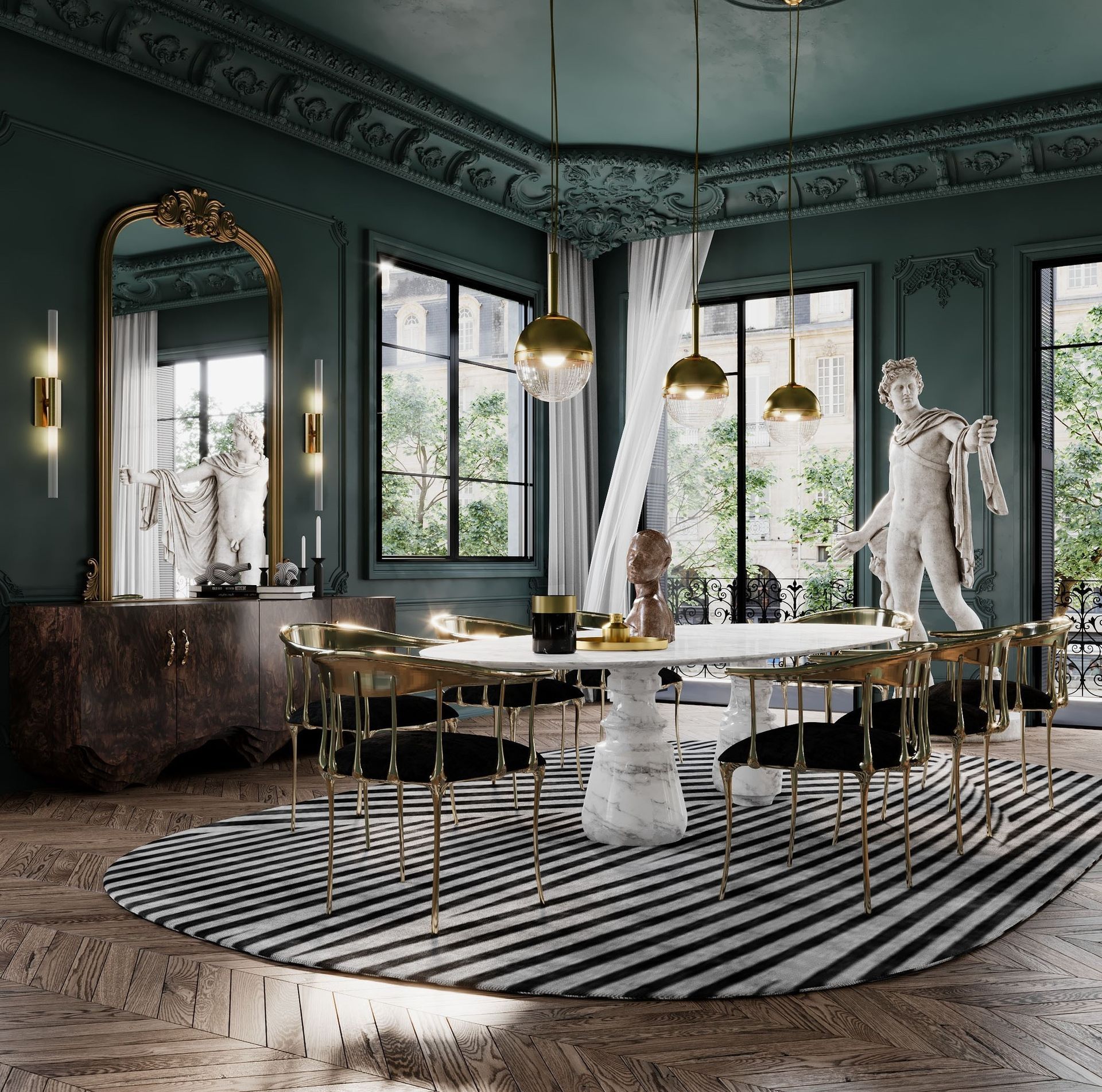
Walls do not always need decorations in the way. You can use custom trim or picture frame molding to make them look nicer. You can also use textural panels like fluted wood or plaster reliefs. These things can break up an empty surface. This adds depth. Makes nice shadows on the wall. It makes the wall look like a part of the homes structure, like a piece of art. Architectural Millwork and Texture can really make a wall look special.
Integrate Functional Layers with Built-ins
To make a room look nice and be useful you need to combine Functional Layers with things that are already built in. For walls that need to be pretty and useful you should get floor to ceiling built ins or floating shelves. These Functional Layers are really important. When you put books things you have collected and lights on the shelves you make a wall that is, like a living thing. This living wall gives you a lot to look at. It stores things without taking up too much space in the room. The Functional Layers and built ins work together to make the room nice.
Utilize Sculptural Lighting as Art
Use Sculptural Lighting as Art. Lighting should not be something you think about later. If you put lights on either side of a large art piece or get a special light just for a picture it makes the art look really good like it is in a gallery. This year people are also doing something called "light as art". This is where the light fixture is a piece of art that makes shadows on the wall on purpose, which helps show how big the wall is. Sculptural Lighting is really cool because it can make a room look nice. Sculptural Lighting is, like an art piece that you can turn on and off.
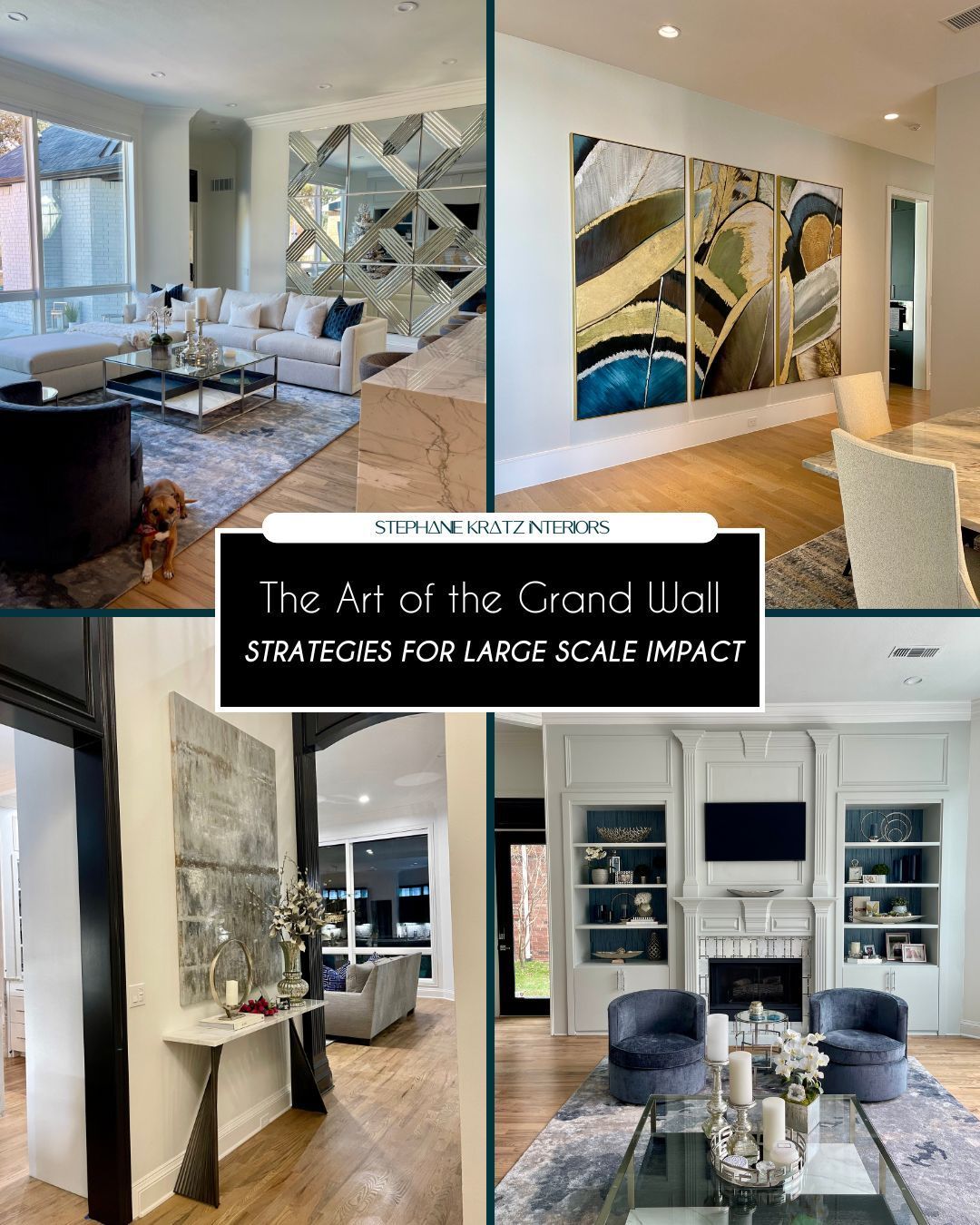
Designing for scale requires a technical understanding of sightlines and visual weight. Our full service approach ensures that your largest walls don't just fill a gap, but serve as the sophisticated anchor for your entire interior design plan.
Ready to turn your blank walls into a design statement?
Contact Stephanie Kratz Interiors today for a free consultation!
Share This Post